中文
中文
How to Choose Water Dispensers for a Rental Business: A Chile Case Study
For a water dispenser rental business, the equipment purchase price is only one part of the decision. The operator also needs to consider machine format, filtration, service access, replacement parts, operating noise, branding, local electrical configuration and whether later batches can be supplied consistently.
This Chile project provides a practical example. It involved countertop and floor-standing dispensers, project-specific branding and packaging, Spanish-language documentation, filtration and pump components, and production and container-loading photographs. The case helps rental operators turn these details into the right questions for an equipment supplier.
The Chile Project at a Glance
| Item | Verified project scope |
|---|---|
| Market | Chile |
| Customer business | Water dispenser rental |
| Equipment | Countertop and floor-standing water dispensers |
| OEM scope | Branding, product appearance, electrical setup, packaging and Spanish manual |
| Operational issue | Pump noise reported during use |
| Production response | An alternative pump solution adopted for subsequent newly manufactured units |
| Supply evidence | Real production and container-loading photographs |
Choosing Equipment for a Water Dispenser Rental Business
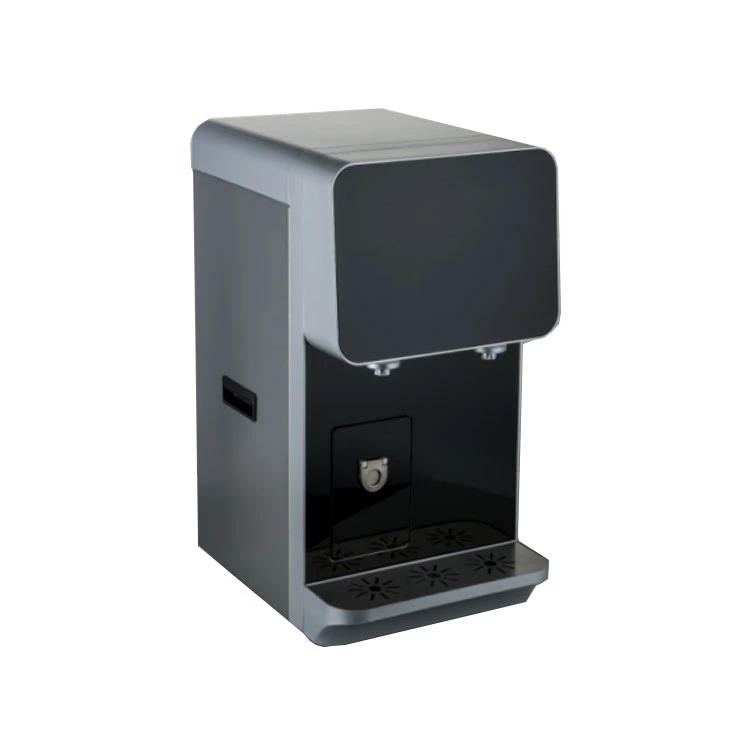
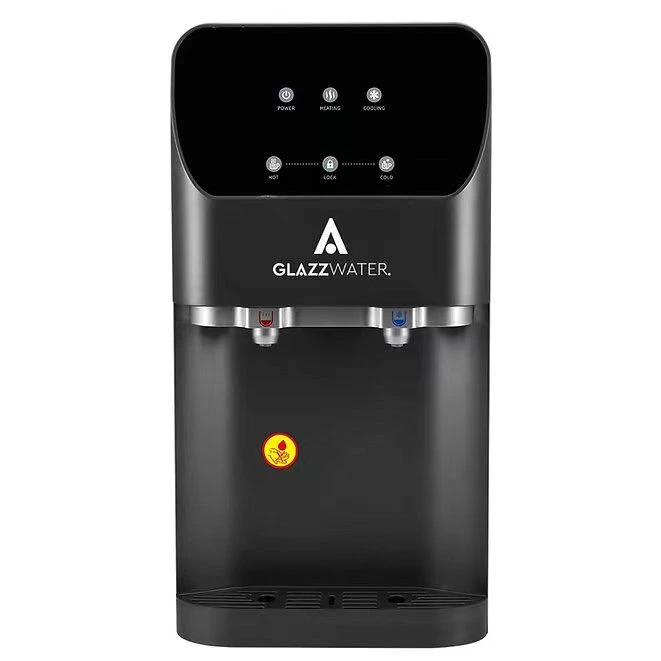
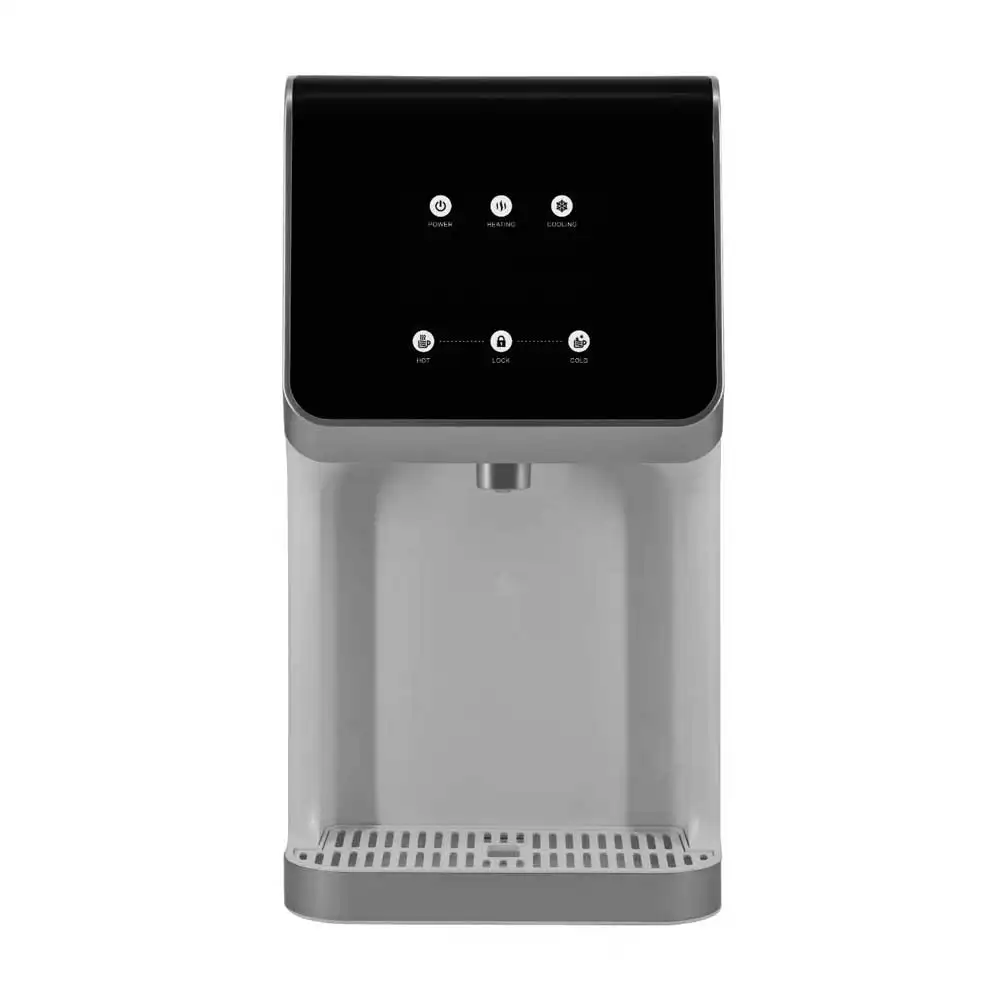
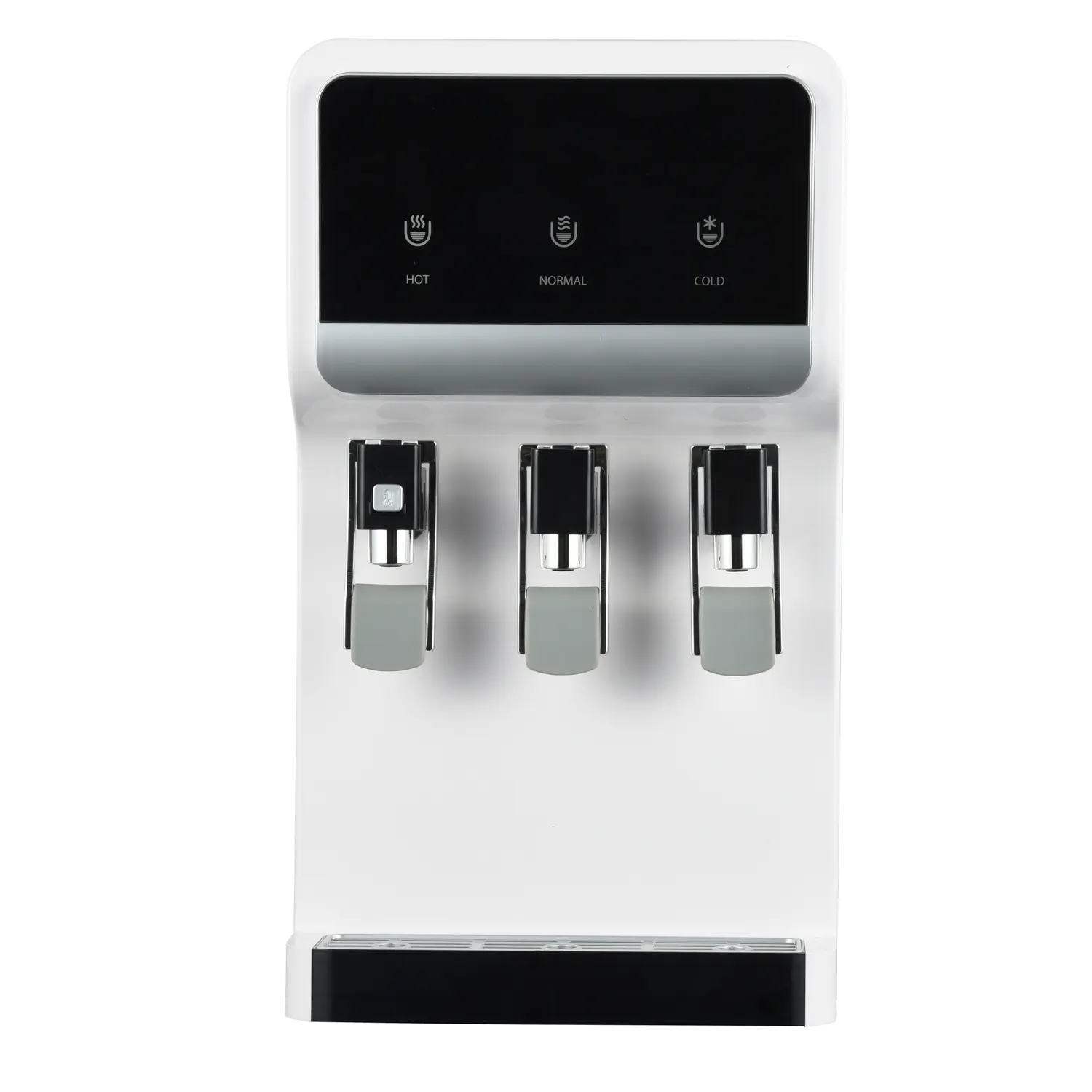
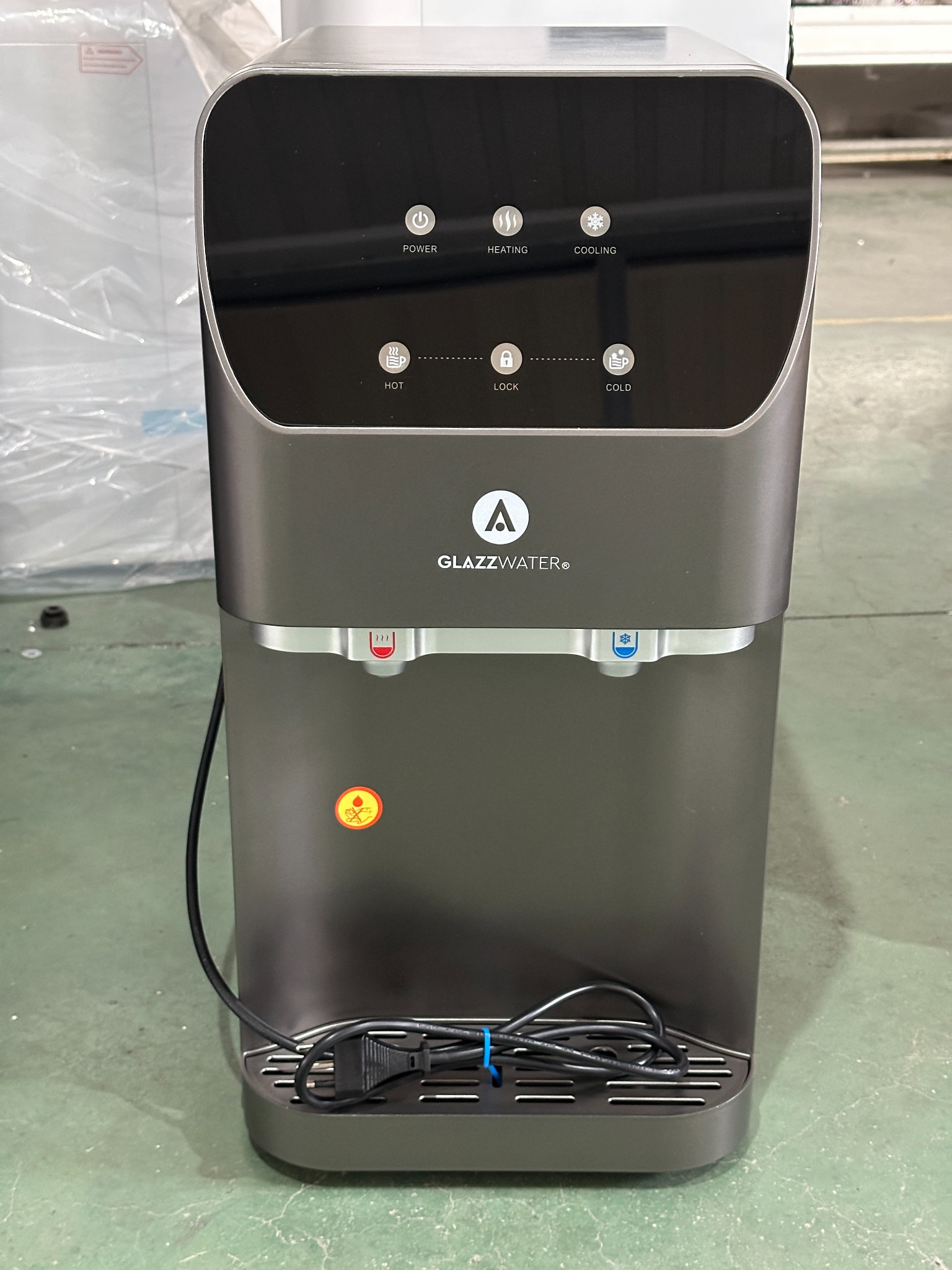
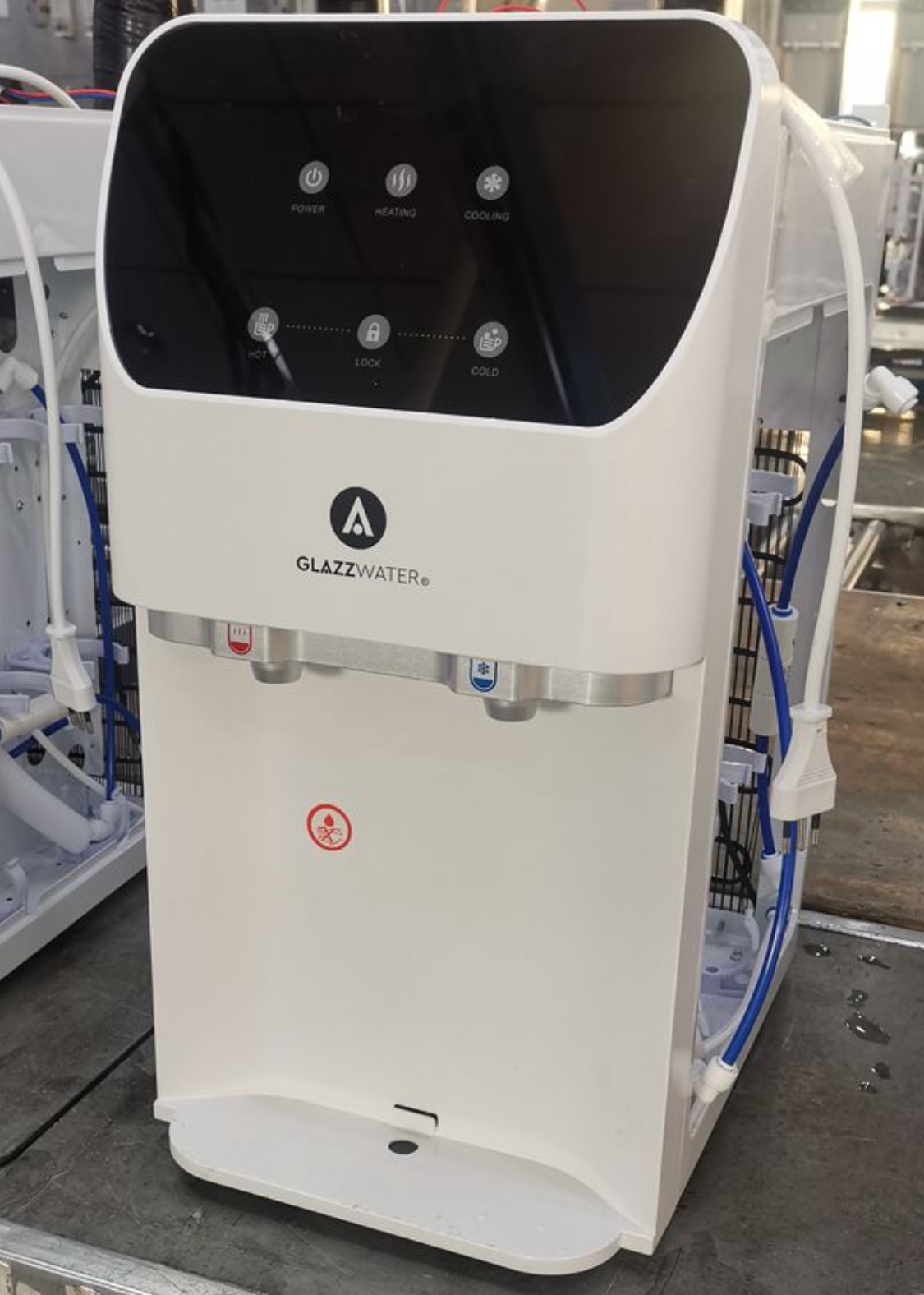
A rental operator should begin with the installation environment and service model. Countertop units can suit sites with available counter space, while floor-standing units may suit locations where a freestanding format is more practical. The appropriate choice also depends on water supply access, expected use, available power, and whether hot, ambient or cold water functions are required for the selected model.
The Chile project includes both countertop and floor-standing examples. They show the physical formats used in that project, not a claim that every model shares the same filtration layout or water-treatment configuration. Before ordering, buyers should confirm the machine platform, plumbing route, filter access and replaceable-part availability with the supplier.
Filtration and Maintenance Planning for Rental Operations
RO or UF configuration should match the project, local water conditions and intended treatment outcome. In rental operations, filter replacement planning and practical field access matter as much as the selected configuration. An RO system also needs an appropriate reject-water arrangement at the installation site.
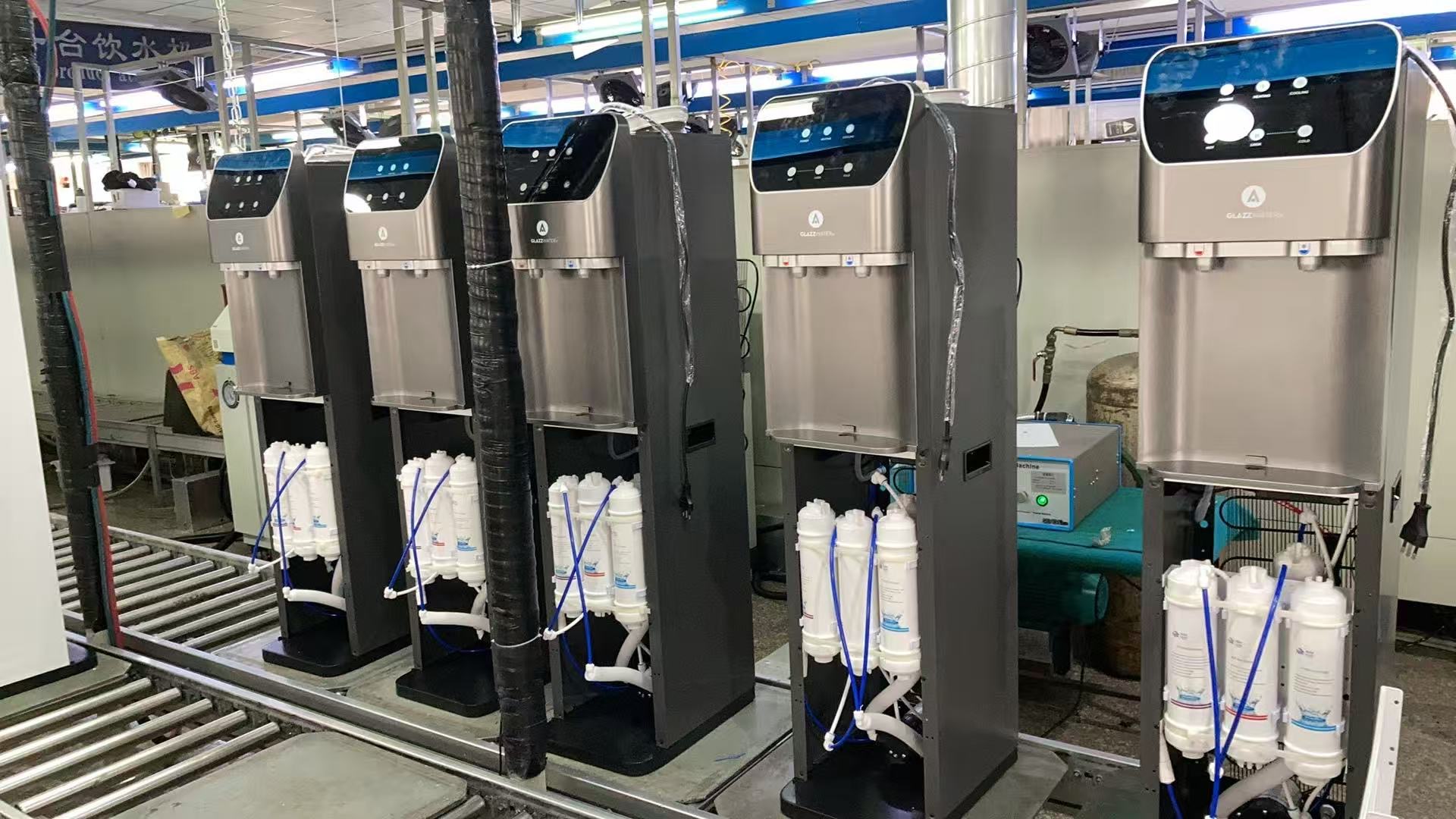
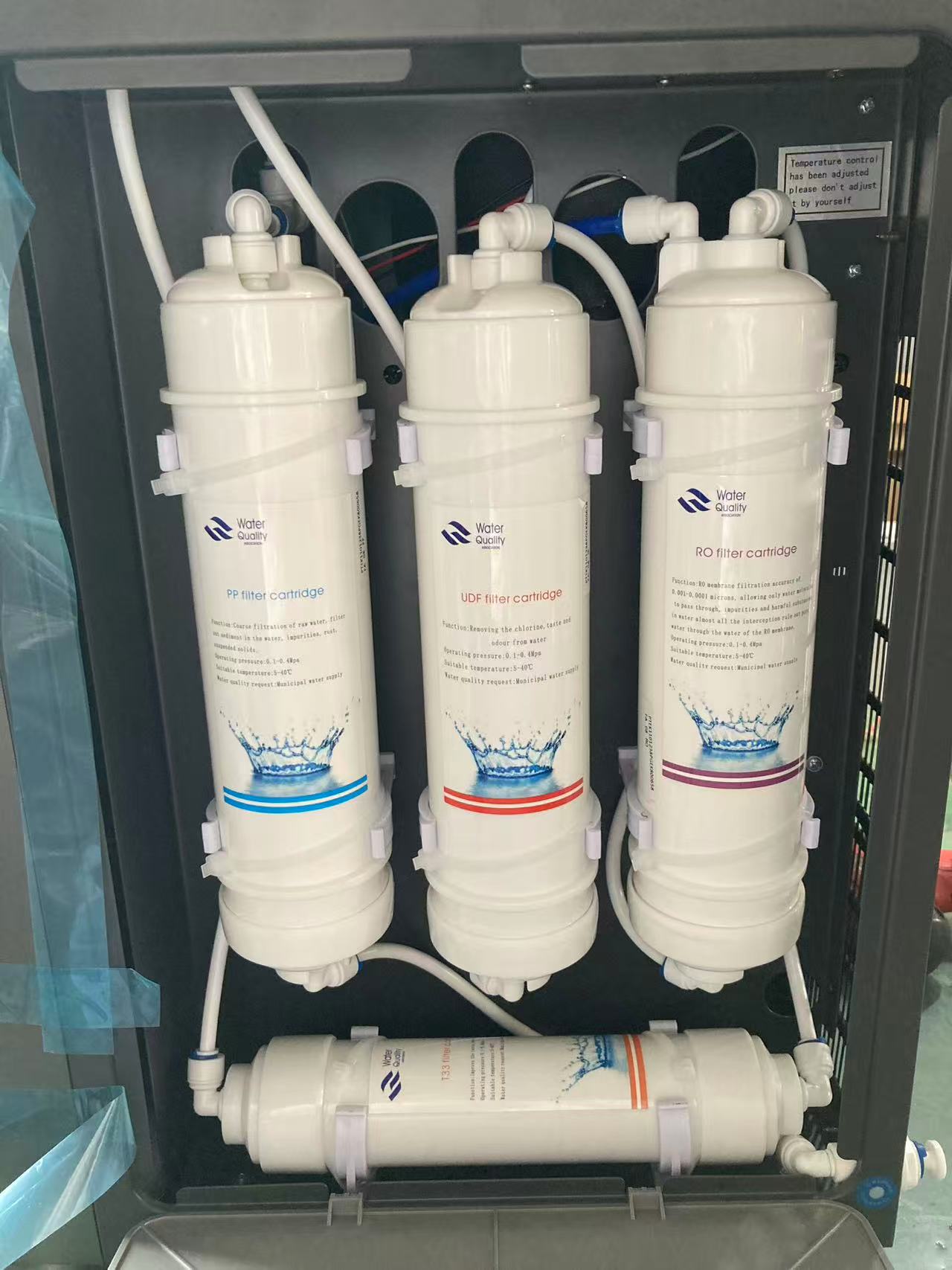
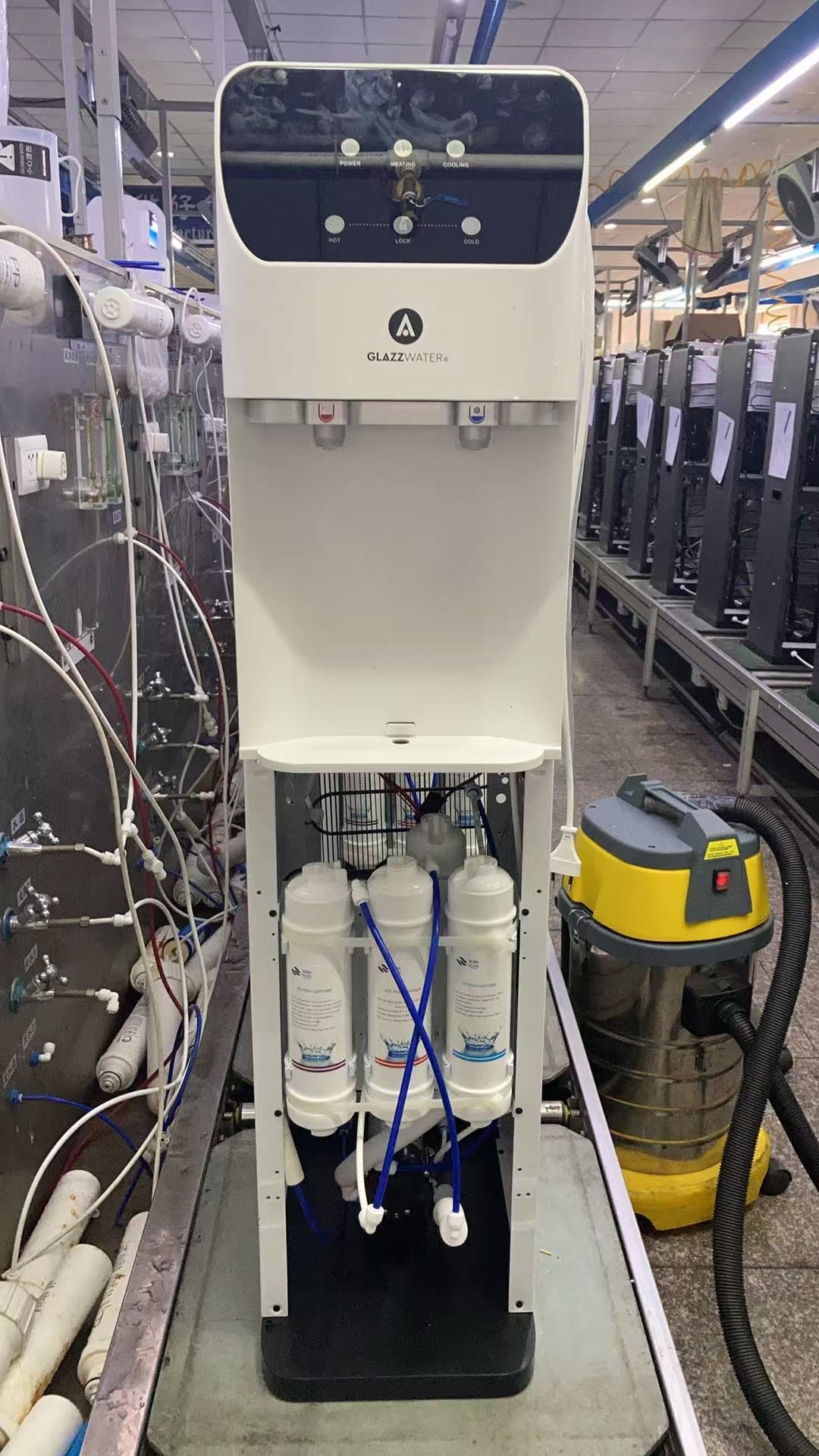
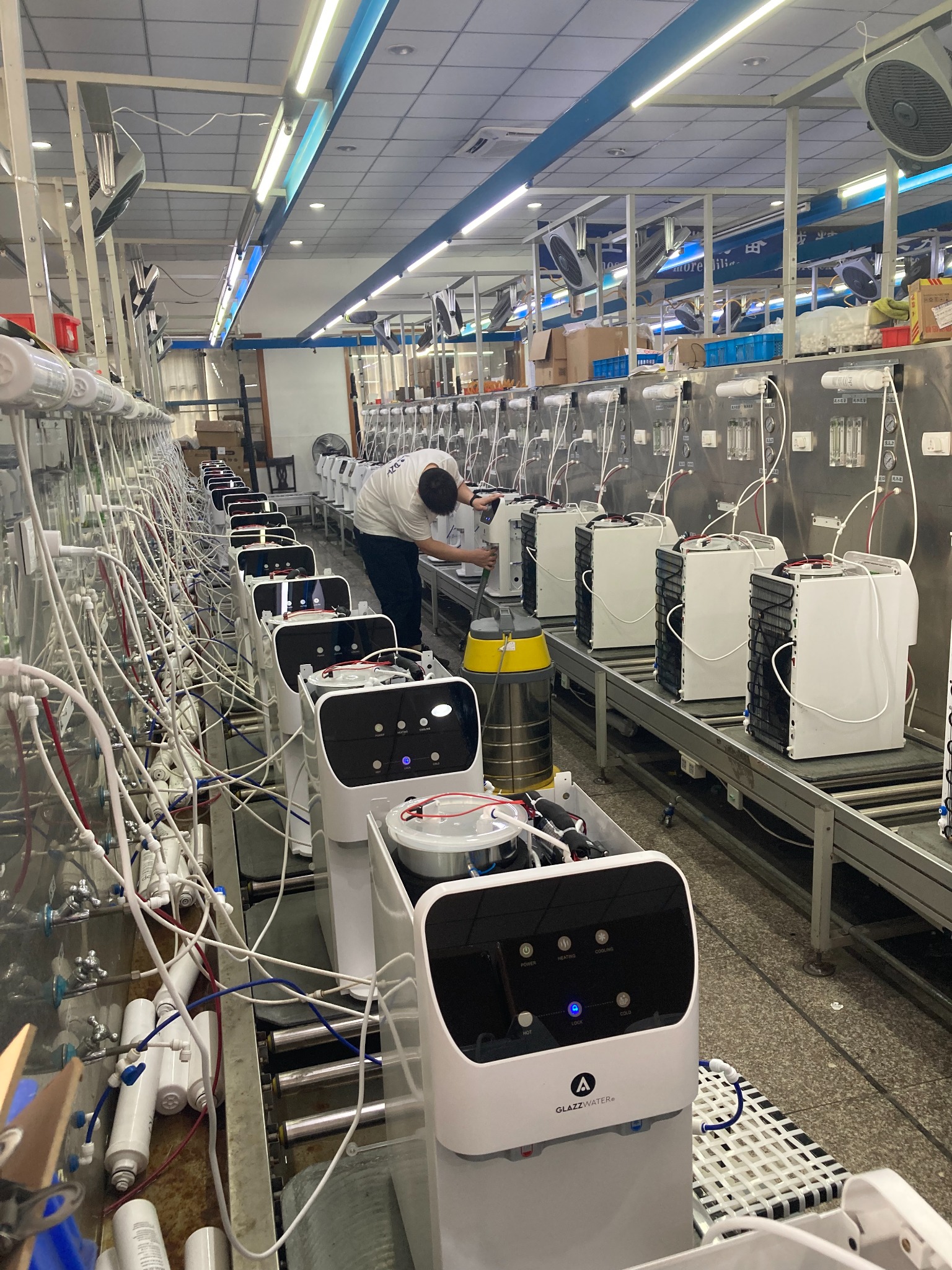
The project photographs show a countertop RO filtration configuration with PP, UDF and RO cartridges, plus a post-filter, and filters installed in the lower cabinet of a floor-standing dispenser. These are examples from this project; the final configuration should be confirmed for the chosen model and market.
A practical service record can include filter installation dates, abnormal flow changes, visible tubing or connection issues, pump operating behavior and applicable RO membrane condition checks. The right schedule should follow local water conditions, the selected components and the operator’s actual maintenance model—not a universal interval.
Pump Noise: A Chile Project Example
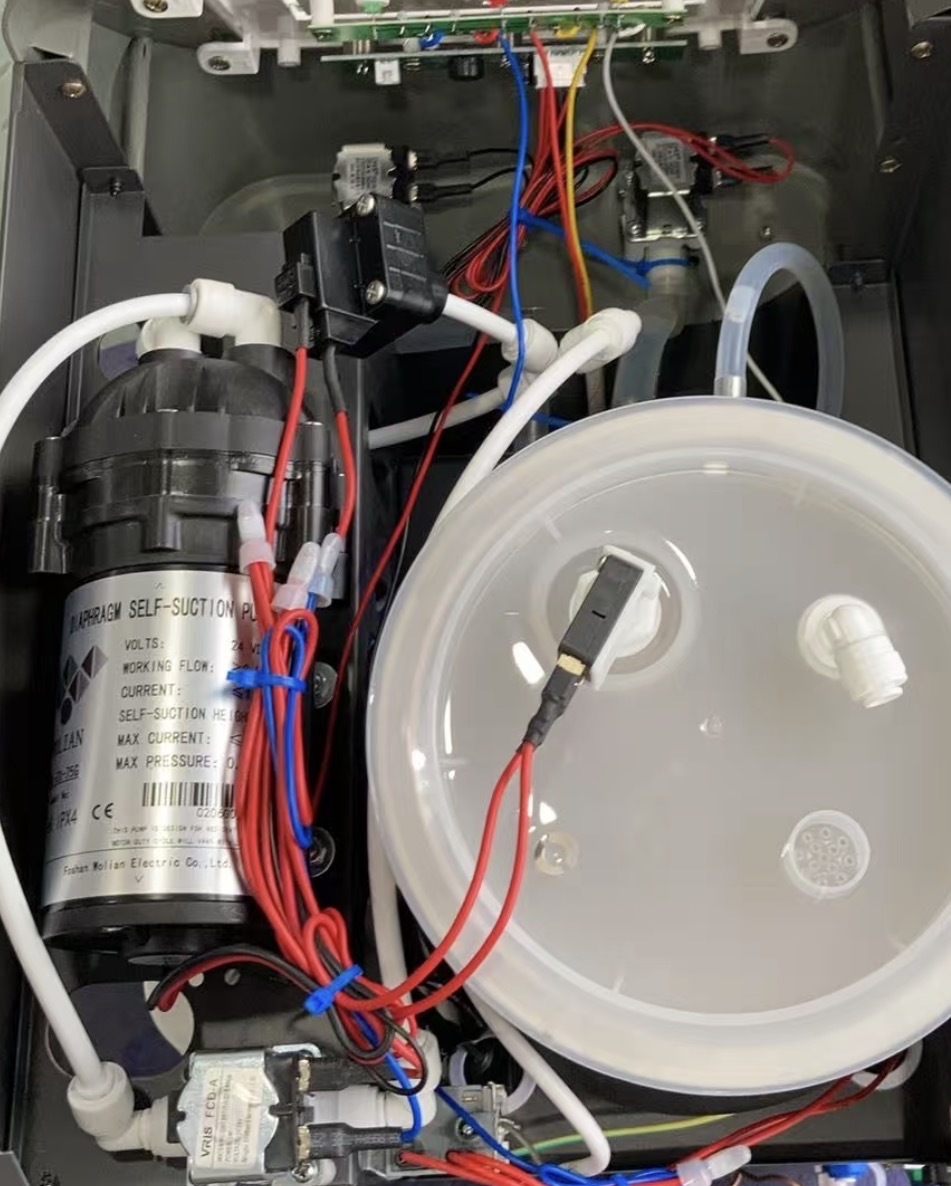
Pump noise can matter in offices and other noise-sensitive rental locations. In this project, the customer initially reported that the pump noise was too high. The customer bought a Korean pump locally and found it quieter in their own comparison. We contacted the Korean company, but it did not sell the pump externally.
A different pump solution was then adopted for subsequent newly manufactured machines. Previously delivered machines were not all retrofitted. The practical lesson is that a component which performs well locally is not automatically suitable for ongoing production when stable supply is unavailable. Rental operators should assess component availability and repeatable sourcing alongside immediate performance.
Private-Label Customization for the Destination Market
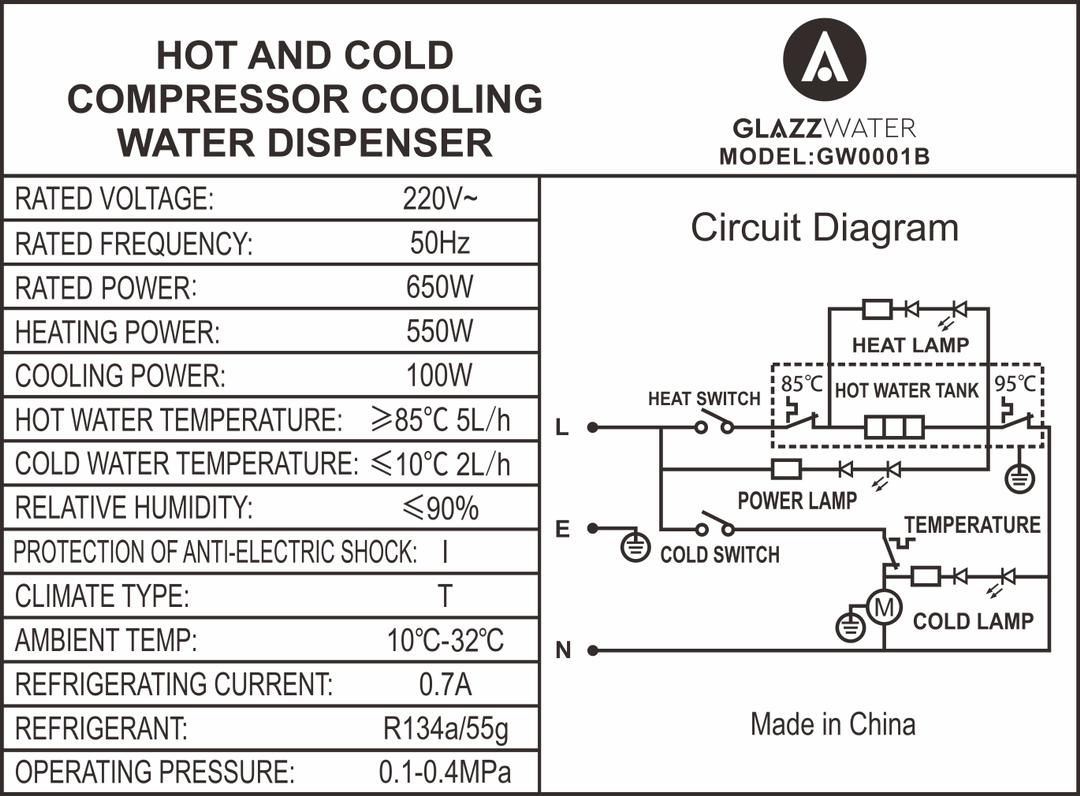
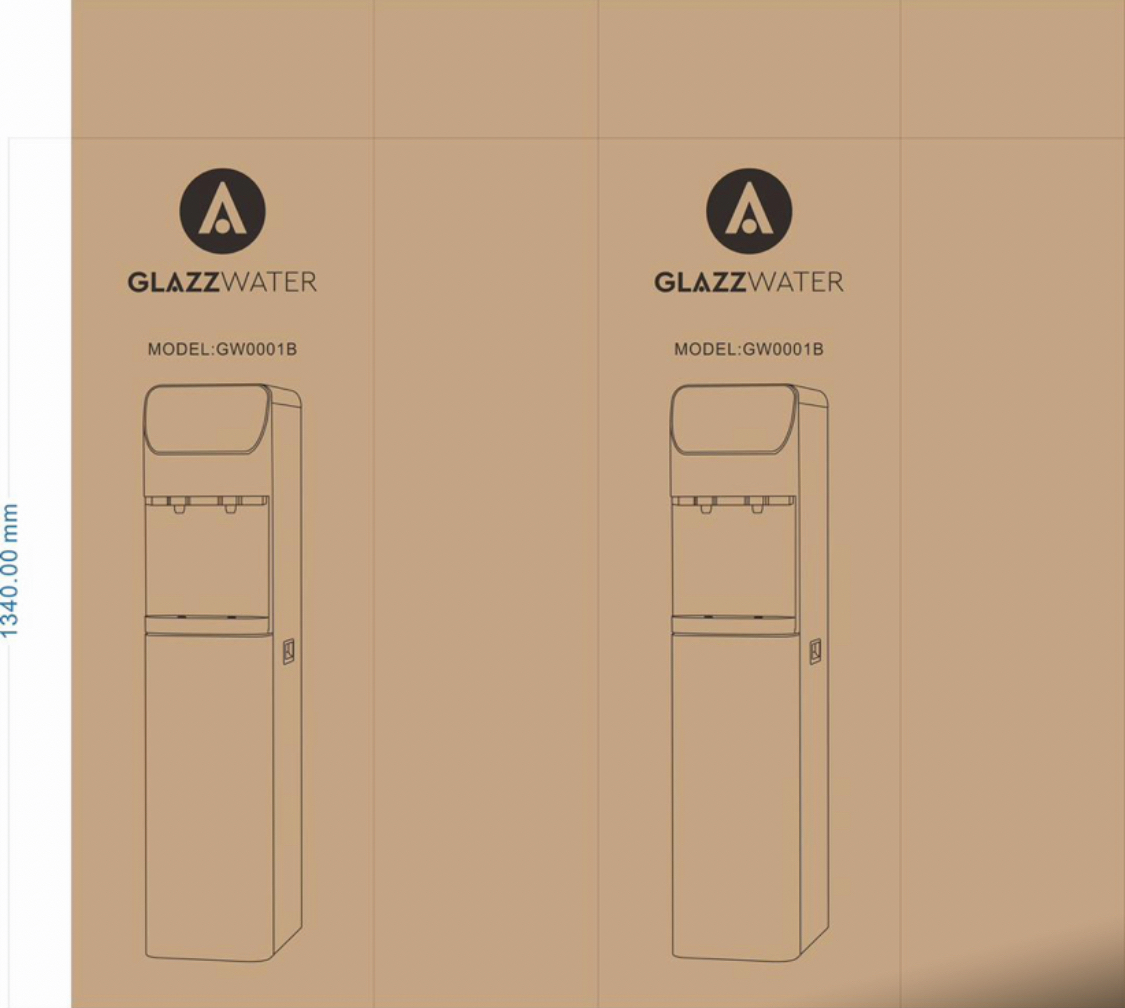
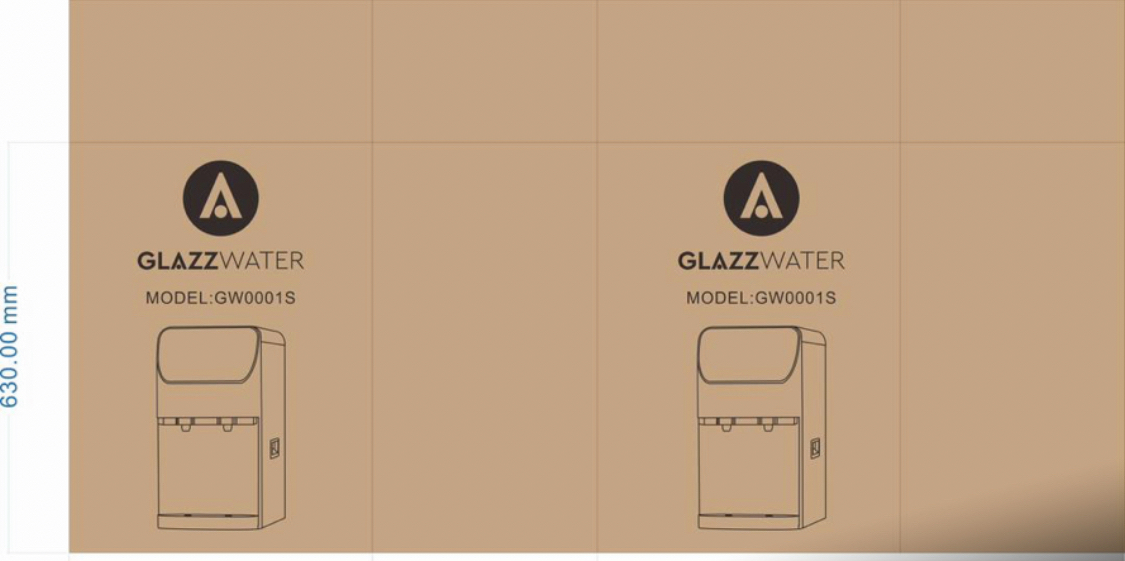
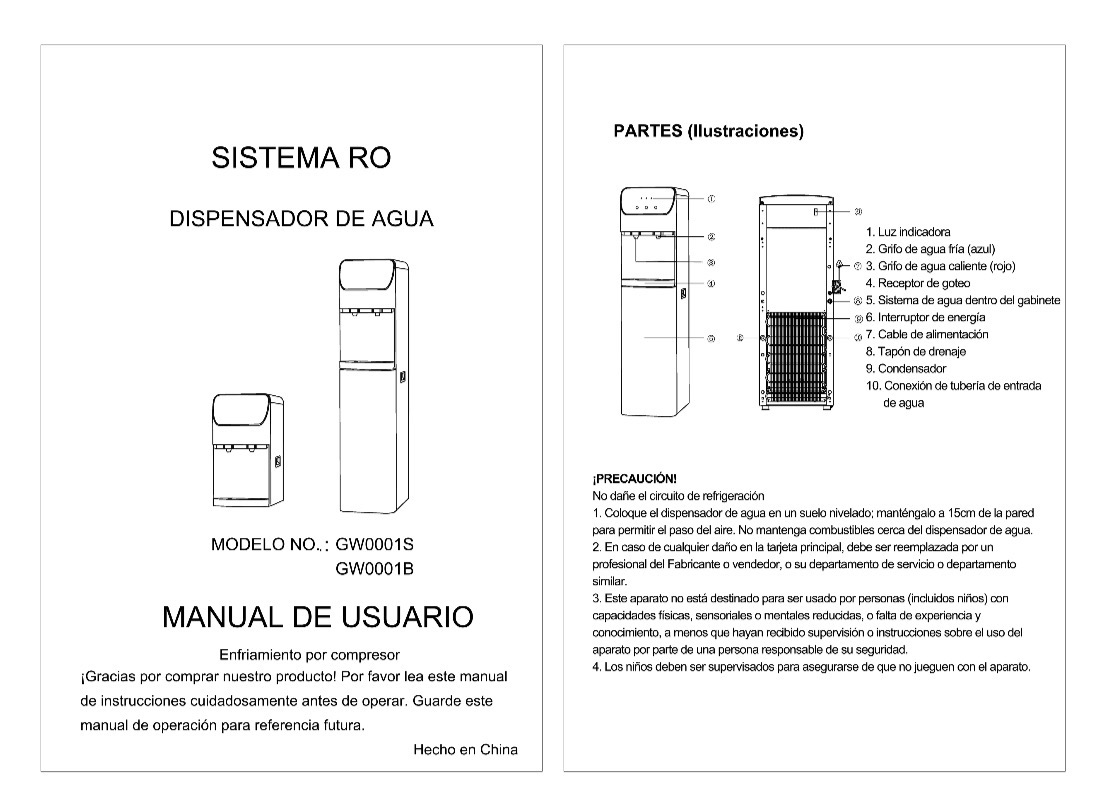
For a rental fleet, the machine, documents and packaging need to work together in the destination market. The Chile project includes body color, logo color and power-cord color combinations, a project rating label, an electrical setup, carton artwork and a Spanish-language manual. Availability depends on the selected model and project requirements.
The photographed machine uses its standard control-panel interface; the control panel itself was not redesigned for this project. Buyers should confirm logo placement, color options, voltage, frequency, plug type, rating-label wording and final artwork before production.
What Should a Rental Operator Include in Equipment Cost Planning?
A rental operator should look beyond the FOB equipment price. Planning normally includes the equipment purchase, freight and import costs, installation, filter replacements, field-service visits, spare parts, pump or component replacement, equipment retrieval or relocation, and the consistency of future batches.
Profitability should be evaluated through the operator’s own local service model. The lowest purchase price is not automatically the best choice for a rental business if it creates avoidable difficulty in installation, maintenance, parts supply or future replenishment.
Production, Packaging and Shipment Preparation
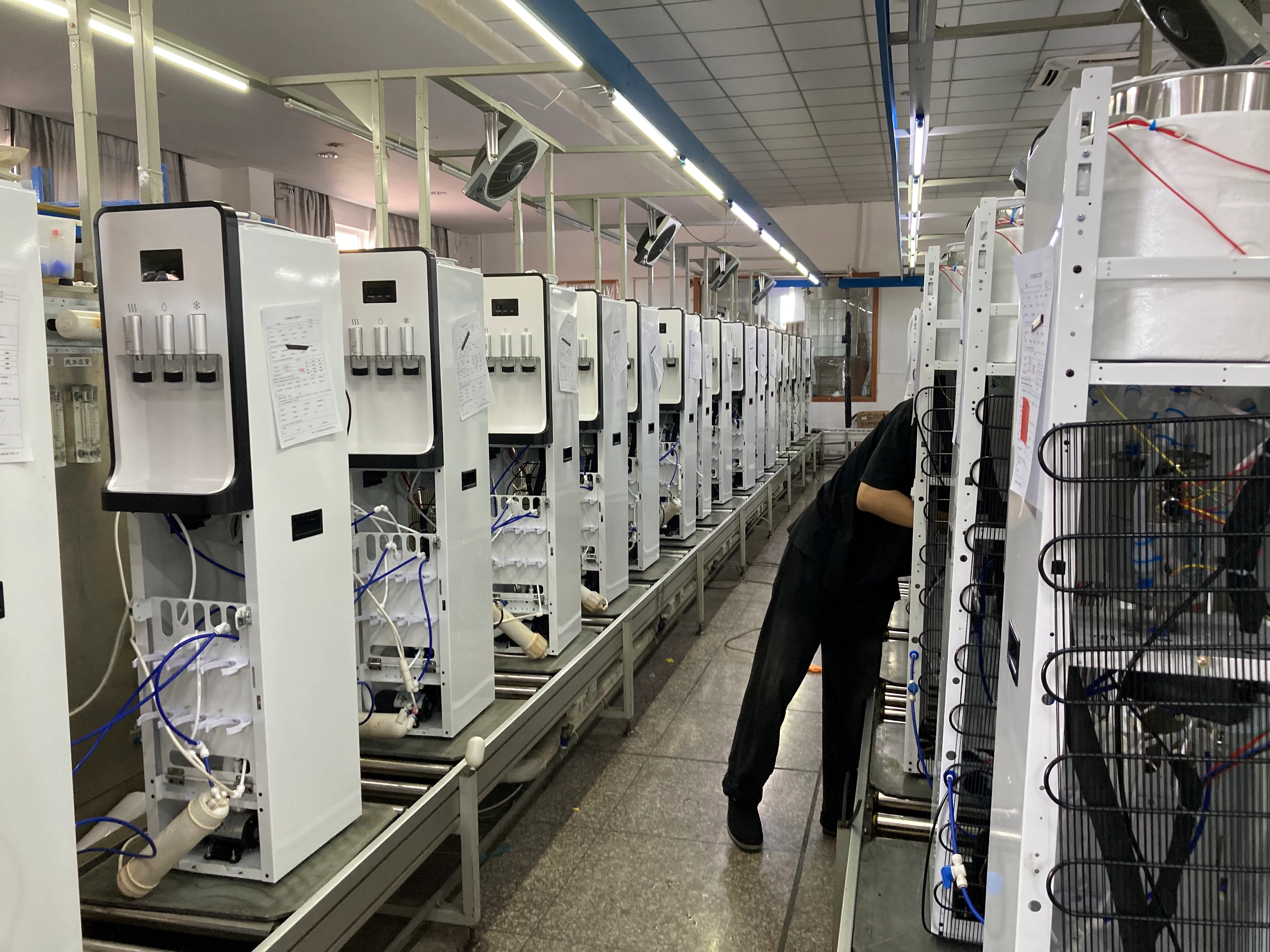
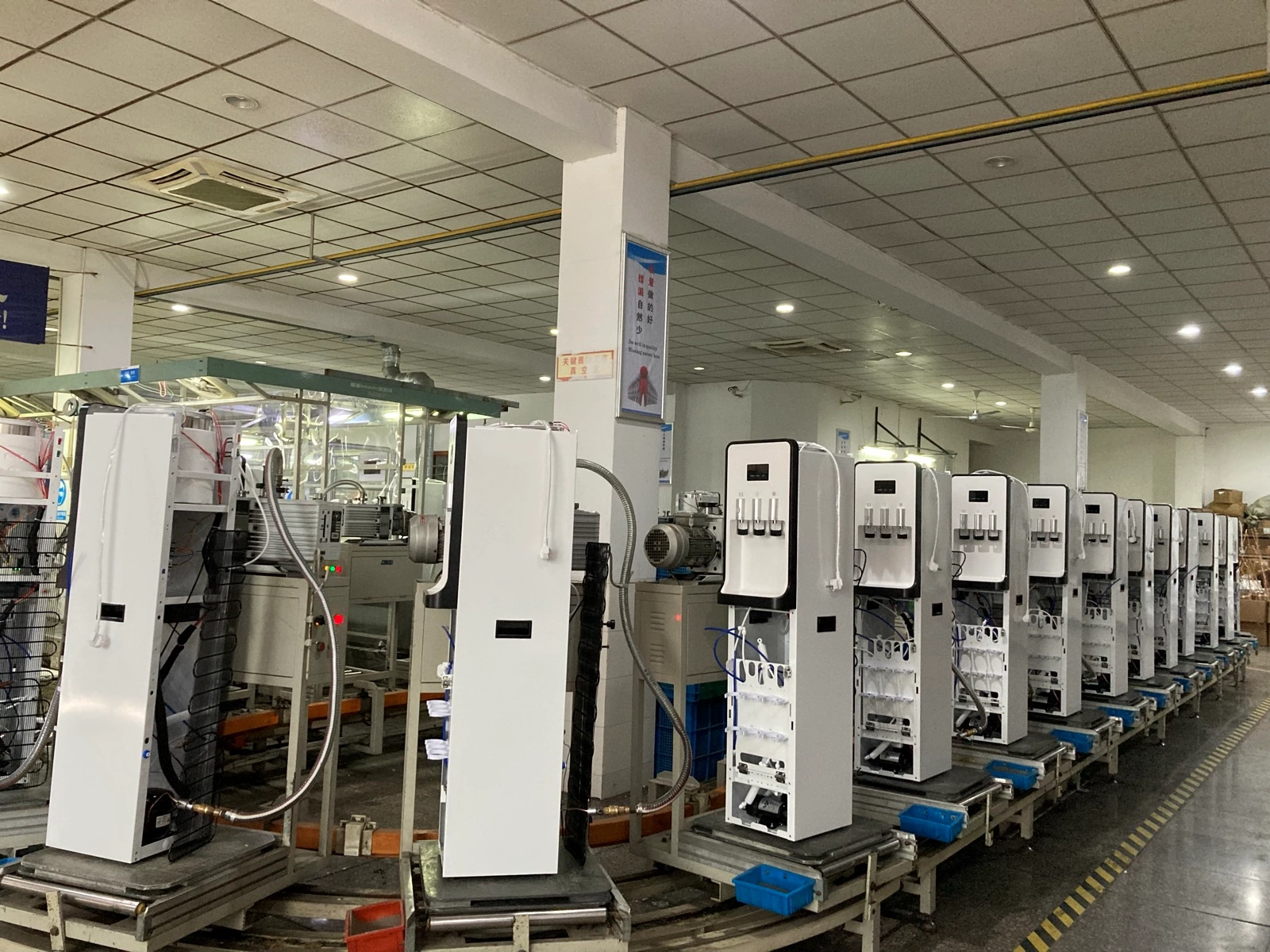
The project materials show a production-line environment with units at different assembly stages, including countertop units in a working production area. For a project-based order, such photographs help connect the agreed equipment configuration with the manufacturing stage.
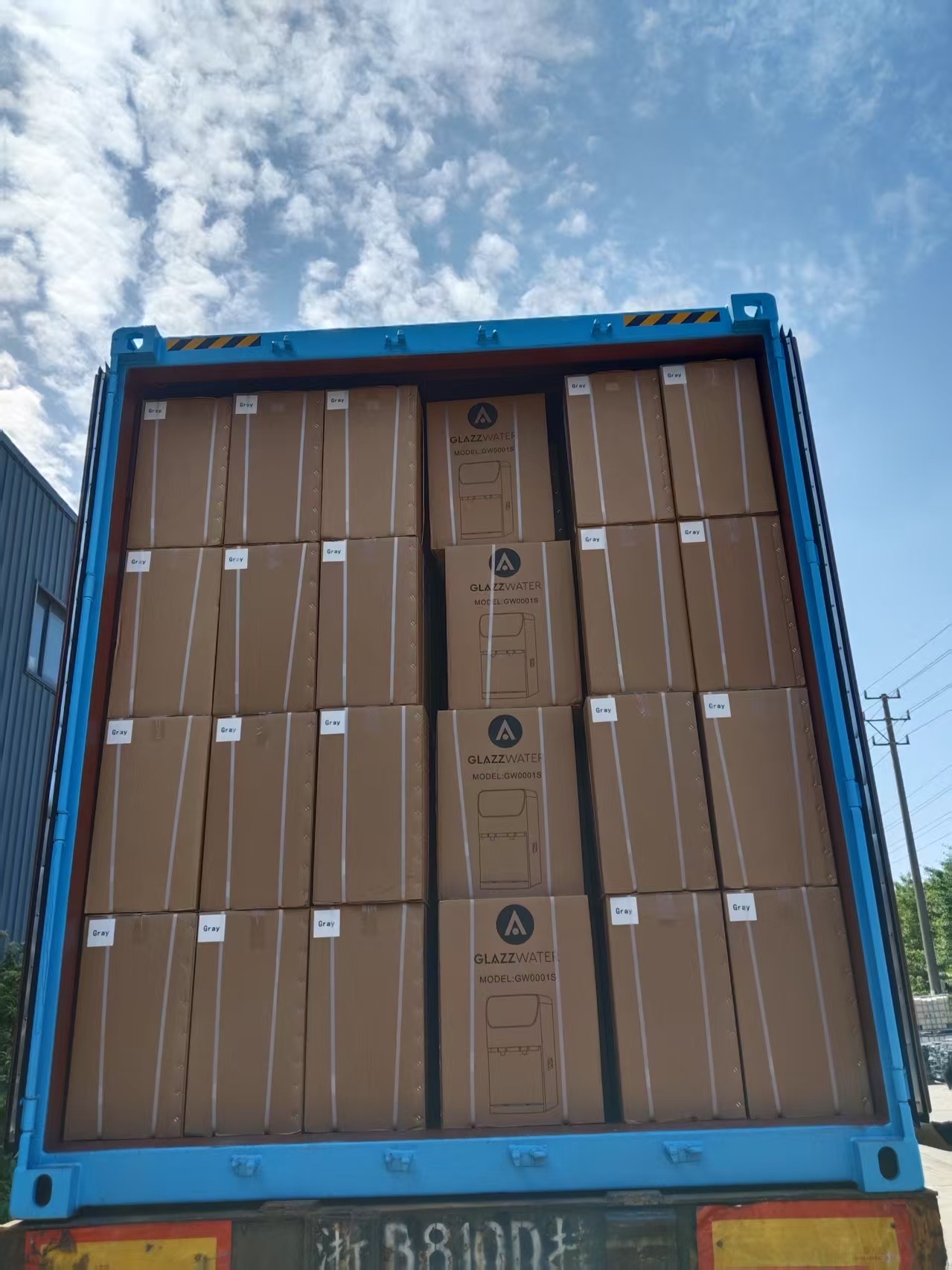
The packaging sequence is clear: carton artwork is approved first, branded export cartons are prepared, and loading photographs document shipment preparation. Carton artwork is a design reference rather than a finished-carton photograph; exact loading arrangements should be confirmed for each shipment.
Buyer FAQ
What type of water dispenser is suitable for a rental business?
Choose the format around the installation site, required water functions, water supply access, service access and expected use. Countertop and floor-standing units can both suit rental projects when the selected model fits the local operating conditions.
Should a rental operator choose RO or UF?
Start with local water conditions and the required treatment outcome. Confirm the selected model’s filtration arrangement, replacement parts, access for service and, for RO, the reject-water arrangement.
What maintenance factors should be considered before ordering rental equipment?
Plan filter access, consumables, service records, spare parts, pump behavior and the process for identifying future production revisions. The appropriate schedule should reflect the actual operating environment and service model.
Can branding, electrical setup and packaging be customized for the target market?
Depending on the model and project requirements, a buyer can review branding, color combinations, rating-label details, electrical setup, carton artwork and local-language documentation with the supplier before production.
Plan Your Rental Equipment Project
For a practical equipment evaluation, share your target country or market, countertop or floor-standing preference, filtration requirement, expected quantity, voltage/frequency/plug requirement, branding needs and intended service model.
We can review the project requirements against our water dispenser range, discuss relevant OEM & ODM options, and help you prepare the right questions before ordering. Contact Us with your rental-business brief.