中文
中文
How to Choose a Reliable OEM Water Dispenser Manufacturer in China
Selecting an OEM water dispenser manufacturer is not simply a price-comparison exercise. The factory you choose will influence product reliability, regulatory readiness, customization lead time, delivery consistency, and your ability to support customers after launch. For an importer, distributor, or private-label brand, a weak supplier decision can result in repeated sampling, unstable components, delayed shipments, or products that do not fit the target market.
A reliable partner should be able to explain how a product moves from requirement review to engineering confirmation, pilot production, inspection, packaging, and shipment. This guide provides a practical framework for evaluating a China water dispenser manufacturer before you approve a sample or place an
For a real example of how sample evaluation, market-specific OEM changes and repeat production work in practice, see our Pure Water project for Hidrosalud in Spain.
OEM order.
Why Choosing the Right Manufacturer Matters
The manufacturer affects more than the unit price. Its decisions influence component consistency, heating and cooling performance, certification readiness, customization lead time, shipment reliability, and the availability of technical support after delivery. When a supplier cannot control these areas, the buyer may face repeated sampling, unapproved component substitutions, delayed launches, or spare-parts problems in the destination market.
For a distributor or private-label brand, supplier qualification should therefore be treated as a risk-control process. The objective is to identify a partner that can translate a commercial requirement into a documented product specification and then reproduce the approved configuration consistently.
Why Many International Buyers Choose Chinese OEM Water Dispenser Manufacturers
China has a mature supply base for household appliances, water-treatment components, refrigeration systems, sheet metal, plastics, electronics, packaging, and export logistics. This ecosystem gives qualified water dispenser factories access to a broad range of components and manufacturing processes within relatively short supply chains.
For overseas buyers, the main advantages are not limited to purchase price. A capable Chinese OEM partner may offer:
- Multiple product platforms for countertop, floor-standing, bottled, bottleless, and point-of-use applications
- Flexible configuration of heating, compressor cooling, filtration, dispensing, cabinet, and control systems
- Private-label support for branding, colors, packaging, manuals, ratings labels, and accessories
- Engineering coordination for market-specific voltage, plug, water connection, and performance requirements
- Experience preparing products and documents for international shipment
However, capability varies significantly between suppliers. Buyers should verify what the factory actually controls instead of assuming that every supplier advertising “OEM” has engineering, production, testing, and after-sales capabilities in-house.
How to Verify a Real Water Dispenser Factory
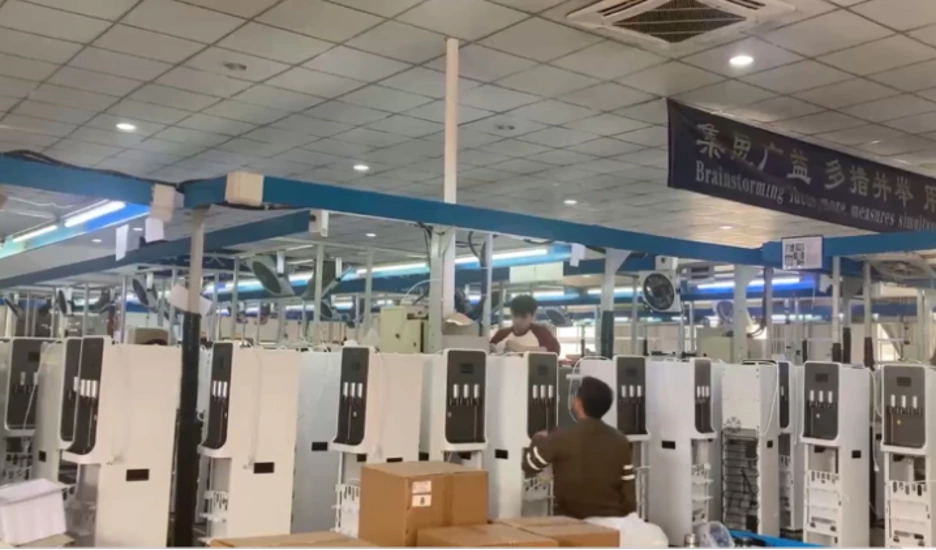
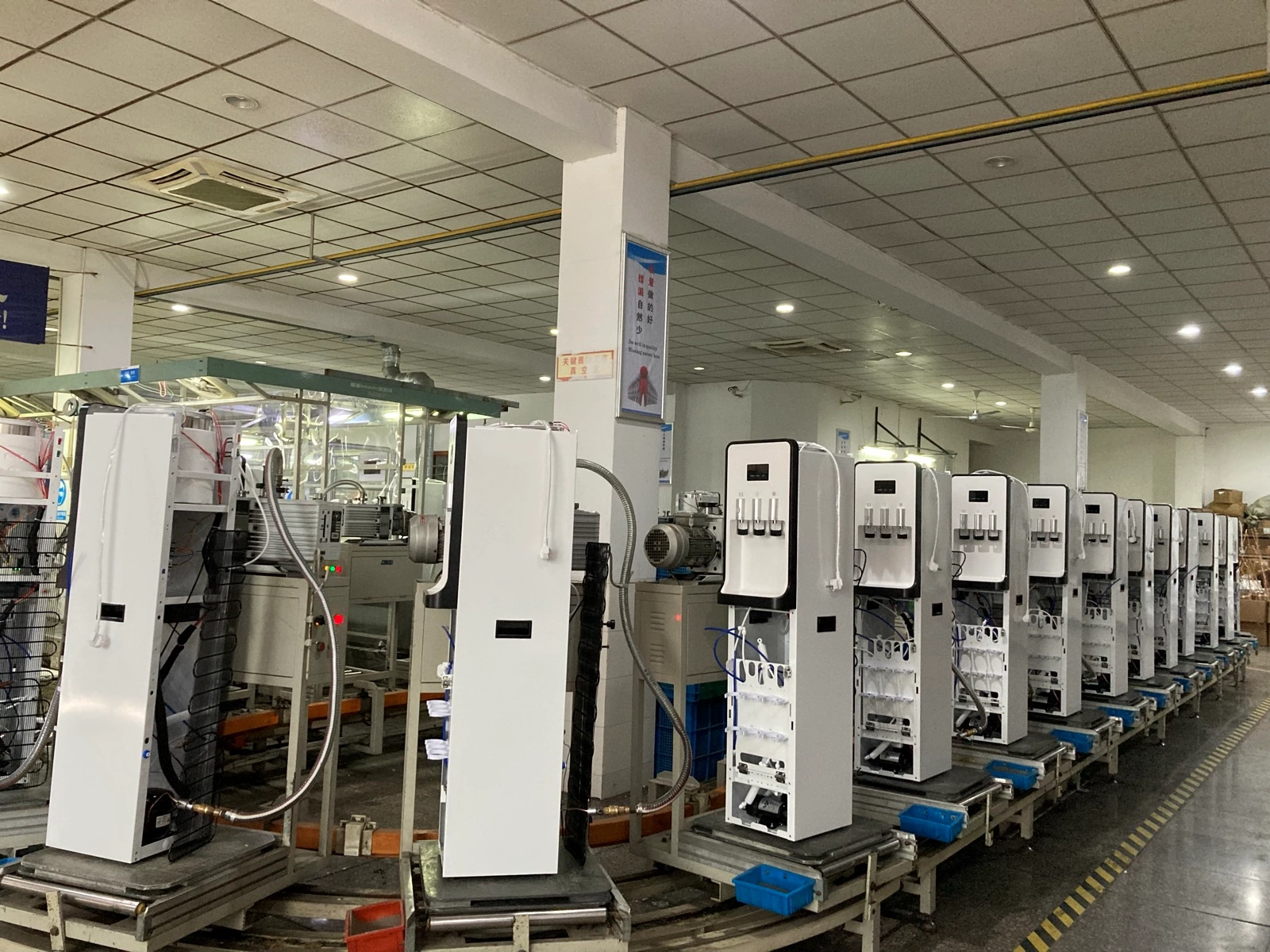
Begin with the manufacturer’s factory and company profile, but do not stop at marketing materials. Request a live or recorded factory review that follows one product through material storage, assembly, functional testing, final inspection, and packaging. Cross-check the legal contracting party, production address, export documents, and the people responsible for engineering and quality.
- Confirm which processes are completed in-house and which are outsourced.
- Ask the production team to explain capacity, normal lead time, peak-season constraints, and batch traceability.
- Review actual work instructions, inspection records, testing stations, and nonconforming-product controls.
- Compare the proposed model with products currently moving through the factory.
- Verify that certificates and test reports cover the intended model, components, voltage, and destination market.
6 Key Factors to Evaluate Before Selecting an OEM Water Dispenser Factory
1. Manufacturing Capability and Factory Experience
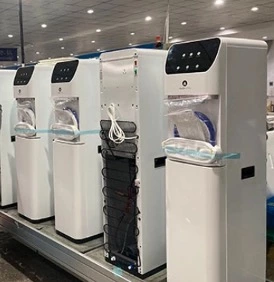
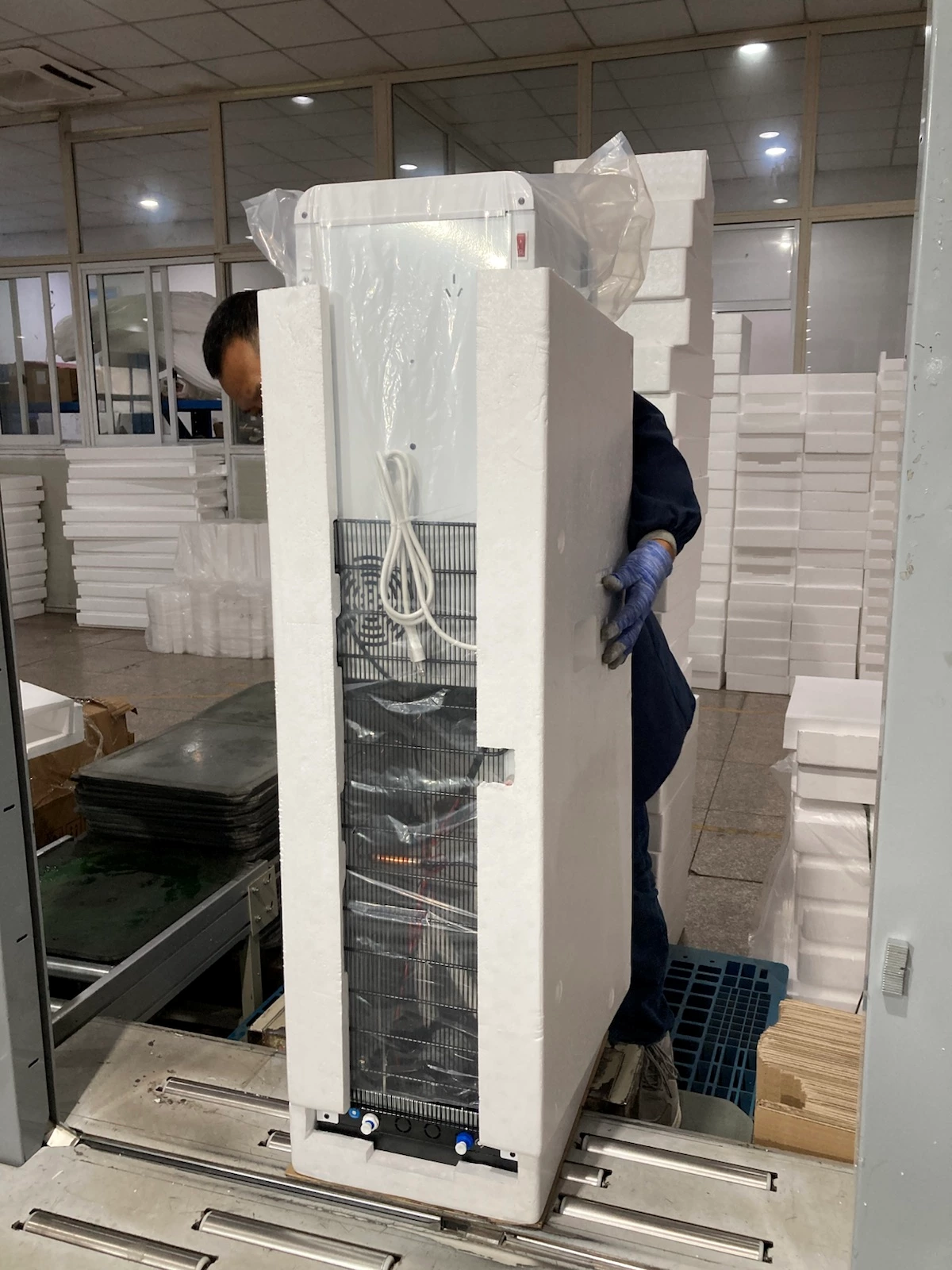
Start by checking whether the supplier operates or directly controls the production processes relevant to your product. Ask for a factory overview that shows assembly lines, testing stations, production equipment, warehouse management, and the flow of incoming materials and finished goods. A professional supplier should be able to describe normal capacity, peak-season capacity, standard lead times, and which processes are completed internally or outsourced.
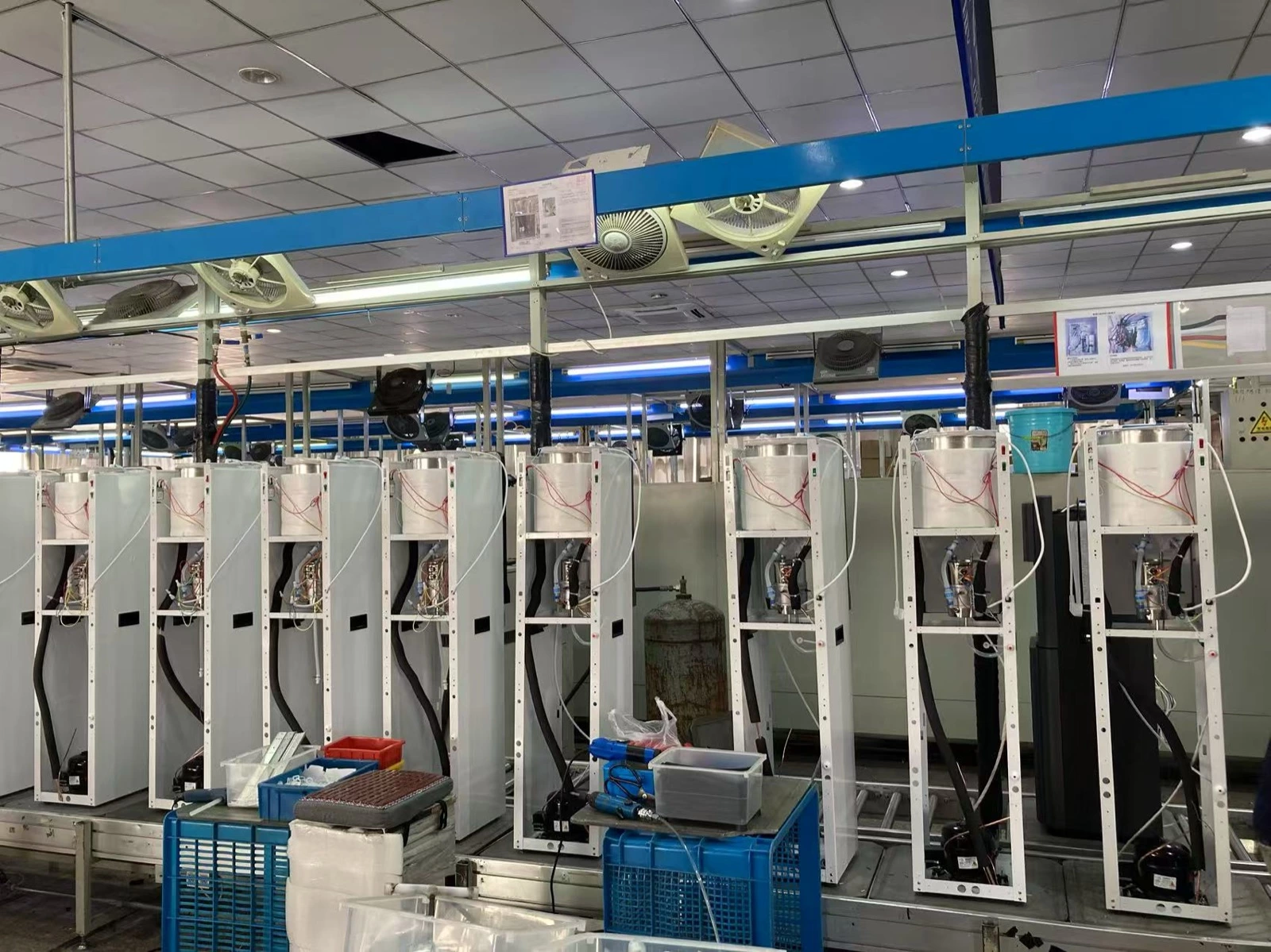
Experience should be evaluated by product category, not only by the age of the company. A factory that has produced bottled dispensers for many years may still need additional engineering work for a direct-piping RO system or a touch-controlled compressor model. Request examples that match your intended cooling method, filtration configuration, cabinet structure, and target market.
2. OEM/ODM Customization Ability
“OEM available” can mean anything from printing a logo on an existing model to developing a new enclosure and internal system. Define the level of customization you need and confirm it in writing.
Common private-label water dispenser options include:
- Logo, color, surface finish, control panel, and user-interface changes
- Carton, manual, label, accessory, and barcode customization
- Voltage, frequency, plug, heating power, and compressor configuration
- Filtration stages, filter housings, RO or UF options, and water connections
- Cabinet, tap, drip tray, storage, and dispensing-height variations
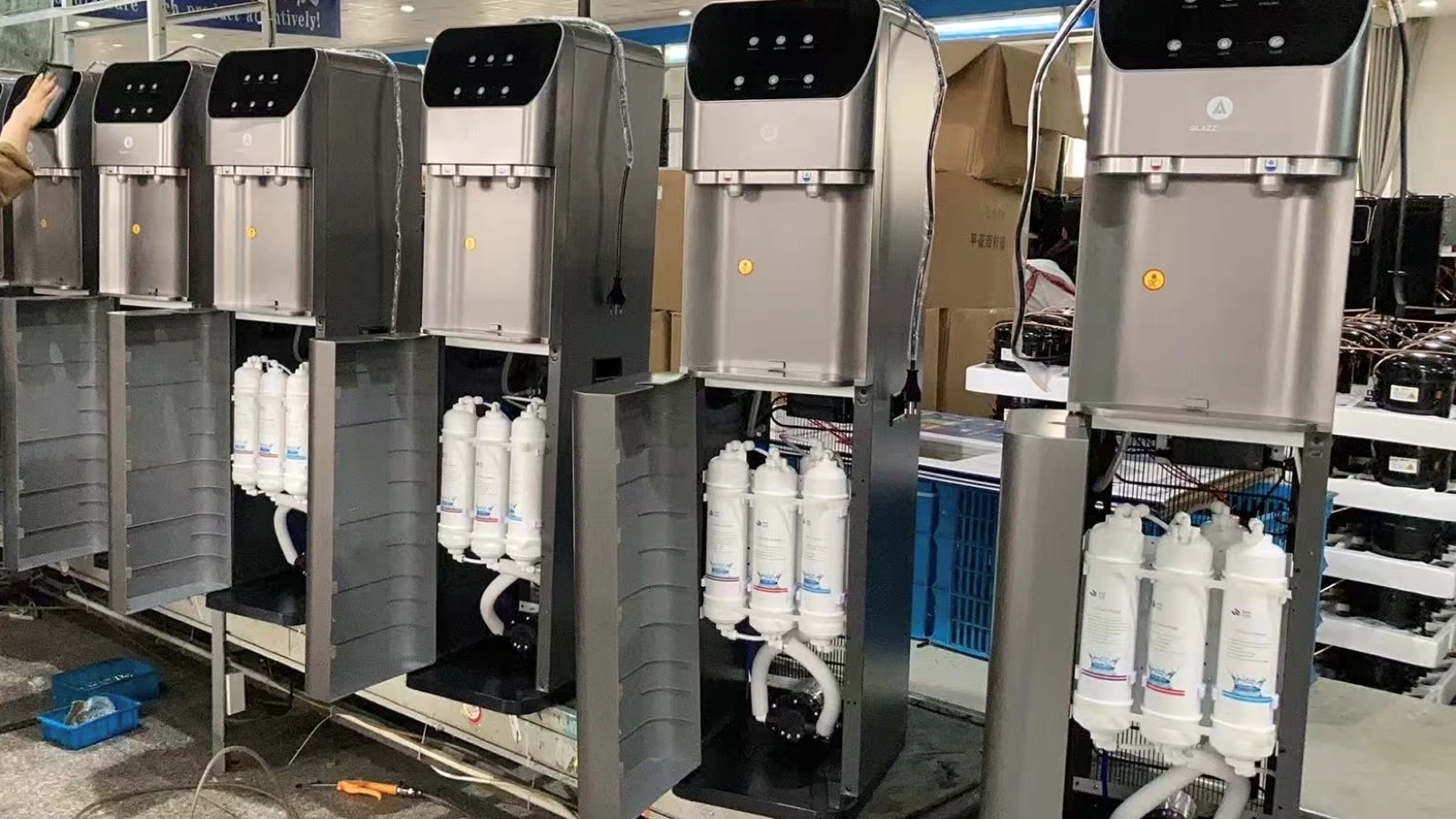
Ask what requires only artwork confirmation, what requires tooling, and what requires electrical or hydraulic redesign. The supplier should also explain minimum order quantities, sampling cost, tooling ownership, approval stages, and the change-control process.
3. Quality Control System
A dependable OEM water dispenser supplier should manage quality at several points rather than relying on a final visual check. Ask how the factory controls incoming components, in-process assembly, functional testing, leakage prevention, electrical safety, cooling and heating performance, appearance, and packaging.
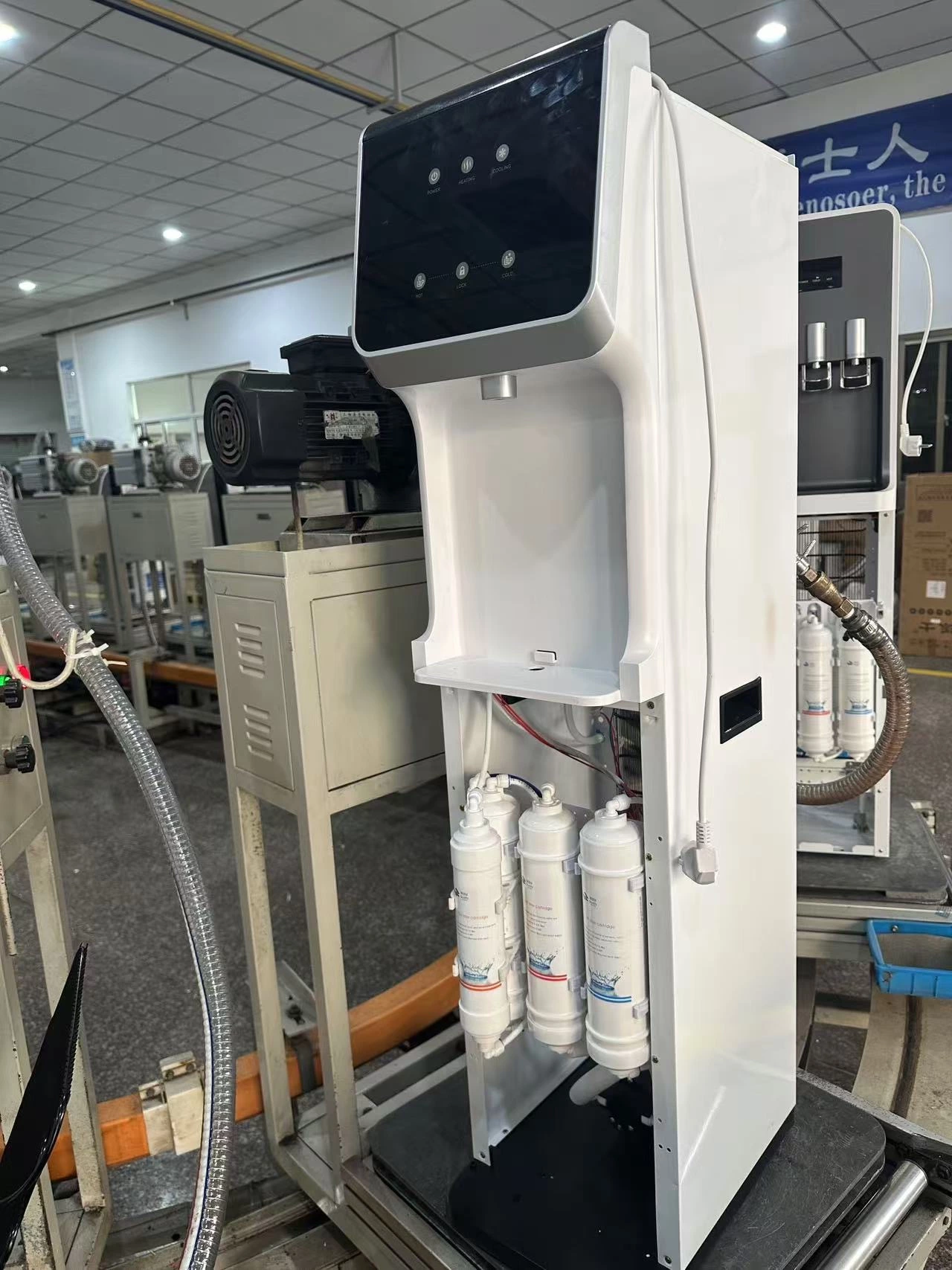
The inspection plan should be linked to an agreed product specification. Clarify sample size, acceptance criteria, test duration, records, defect classification, and handling of nonconforming units. For models using compressors, pumps, tanks, filters, UV components, or electronic controls, ask how critical components are identified and traced by supplier or batch.
Before mass production, approve a signed or otherwise clearly identified reference sample and a final specification sheet. This reduces disputes caused by differences between sales discussions, samples, and production.
4. Product Design and Engineering Support
Engineering support is especially important when a model must be adapted to local water conditions, electrical standards, installation practices, or user expectations. A professional manufacturer should review the complete system rather than changing one component in isolation.
For example, changing filtration capacity can affect flow rate, pump selection, tank size, tubing, wastewater ratio, and internal layout. Changing the compressor or refrigerant system can affect cooling performance, energy consumption, noise, ventilation, and certification scope. Ask who reviews these interactions, how drawings and bills of materials are controlled, and how engineering changes are communicated before production.
5. Export Experience and Certifications
Export experience helps a supplier understand documentation, packaging, labeling, shipment coordination, and market-specific compliance. Nevertheless, buyers should verify evidence for the exact model and destination instead of accepting general statements such as “CE available” or “export quality.”
Ask for the test report or certificate, issuing body, model list, applicable standard, issue date, and current validity. Confirm whether your intended electrical configuration, plug, component set, and private-label model are covered. Certification requirements vary by country and product type, so the importer should confirm the final compliance route with a qualified local specialist before shipment.
6. After-Sales Support and Spare Parts Supply
After-sales planning should begin before the first order. Ask the factory to provide a recommended spare-parts list based on the model, order quantity, expected service conditions, and components most likely to require replacement. Confirm warranty terms, response responsibilities, troubleshooting materials, and the process for analyzing repeated failures.
A practical supplier can support remote diagnosis with wiring diagrams, exploded views, parts identification, service videos, and clear claim records. Also ask how long key parts are expected to remain available and how substitute components will be approved if the original part is discontinued.
What Makes a Professional Water Dispenser Manufacturer Different From a Trading Company
Trading companies can be useful when a buyer needs mixed sourcing or access to several unrelated product categories. For a long-term water dispenser program, however, it is important to understand who controls the product and who is accountable when a technical issue occurs.
| Evaluation Area | Professional Manufacturer | Typical Trading Company |
|---|---|---|
| Factory control | Direct control of assembly, work instructions, testing, production scheduling, and corrective actions | Depends on the selected factory and may have limited authority over daily production |
| Product development | Engineering team can review structure, components, performance, tooling, and design changes | May relay requests between buyer and factory without owning the engineering process |
| Cost structure | Quotation is normally based on the factory bill of materials, labor, tooling, testing, packaging, and order volume | Quotation may include an additional sourcing margin and less visibility into cost changes |
| Communication efficiency | Technical questions can be directed to production, quality, or engineering personnel | Communication may require additional rounds between buyer, trader, and factory |
Do not rely only on a business license or a factory video. During qualification, identify the legal contracting party, manufacturing location, quality contact, engineering contact, and export contact. If a supplier combines manufacturing and trading functions, ask which party will produce your model and which party will be responsible for quality claims.
OEM Water Dispenser Solutions for Different Markets
A suitable OEM program starts with the application, not a catalog model. The supplier should understand installation conditions, water source, expected daily demand, ambient temperature, target price level, user interface, and local service capability.
Compressor Cooling Water Dispenser
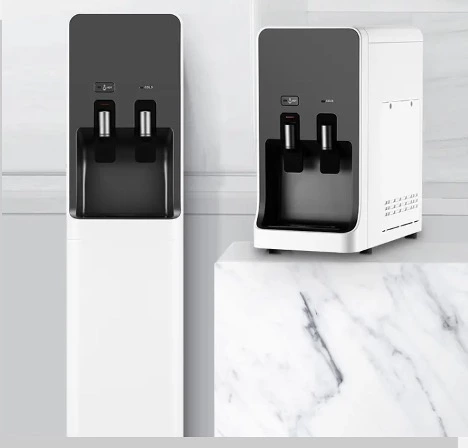
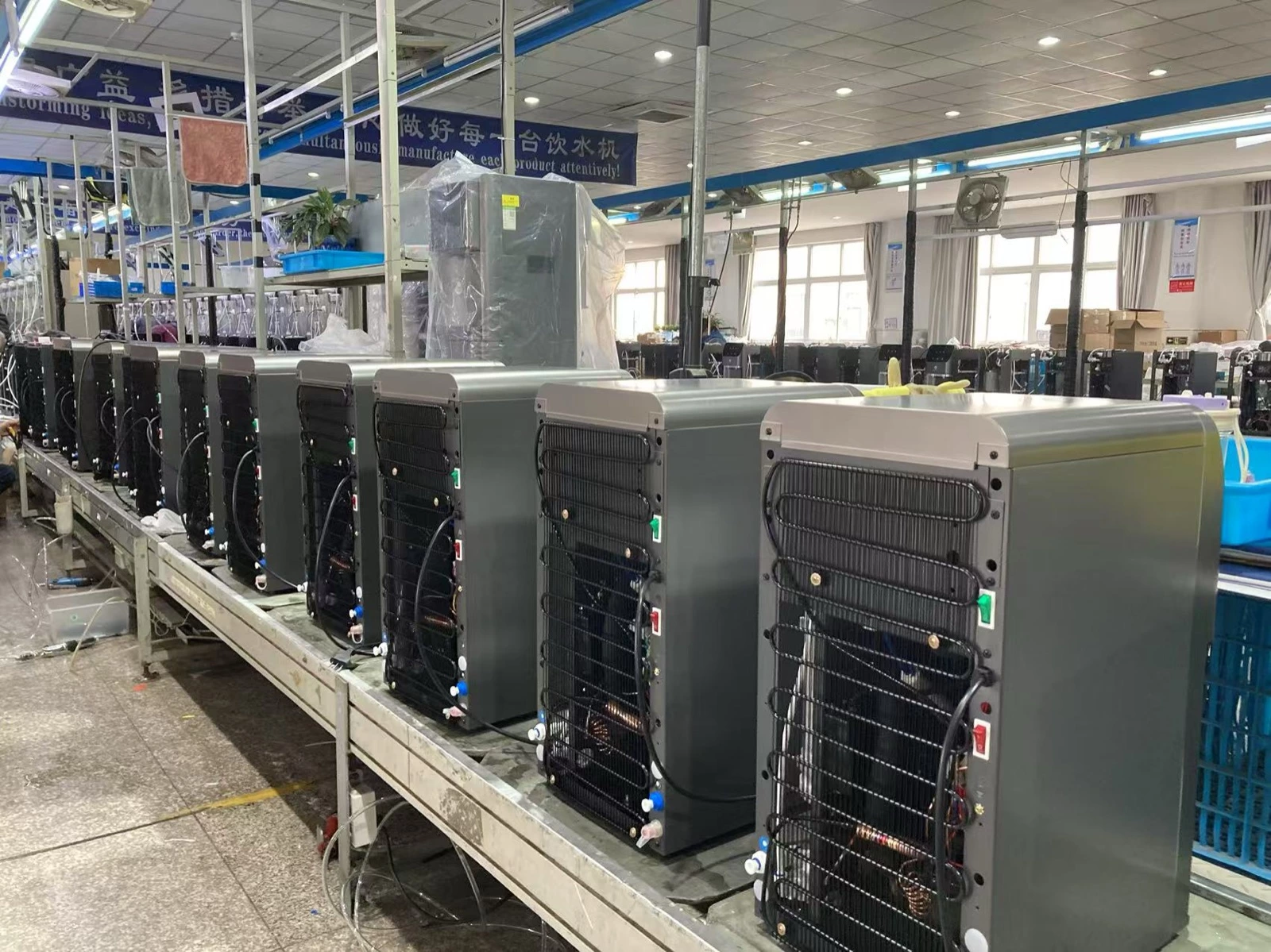
Compressor cooling is commonly selected when buyers require stable chilled-water performance for offices, hospitality areas, retail environments, and warm climates. Evaluate cooling capacity, cold-tank volume, refrigerant system, noise, ventilation, energy consumption, and ambient-temperature test conditions. Buyers can review Haibo’s floor-standing water dispenser range when comparing configurations for higher-use environments.
Countertop Direct Drinking Water Dispenser
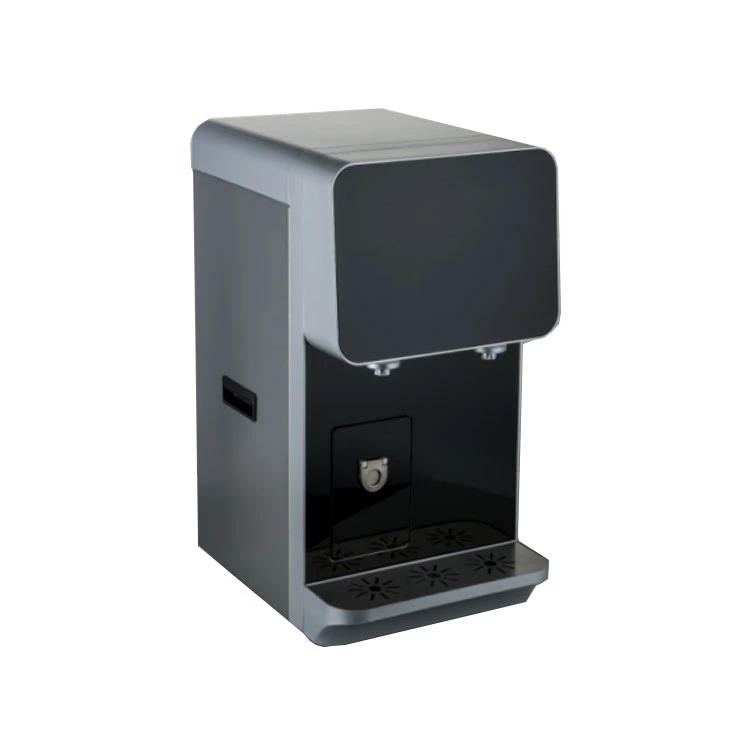
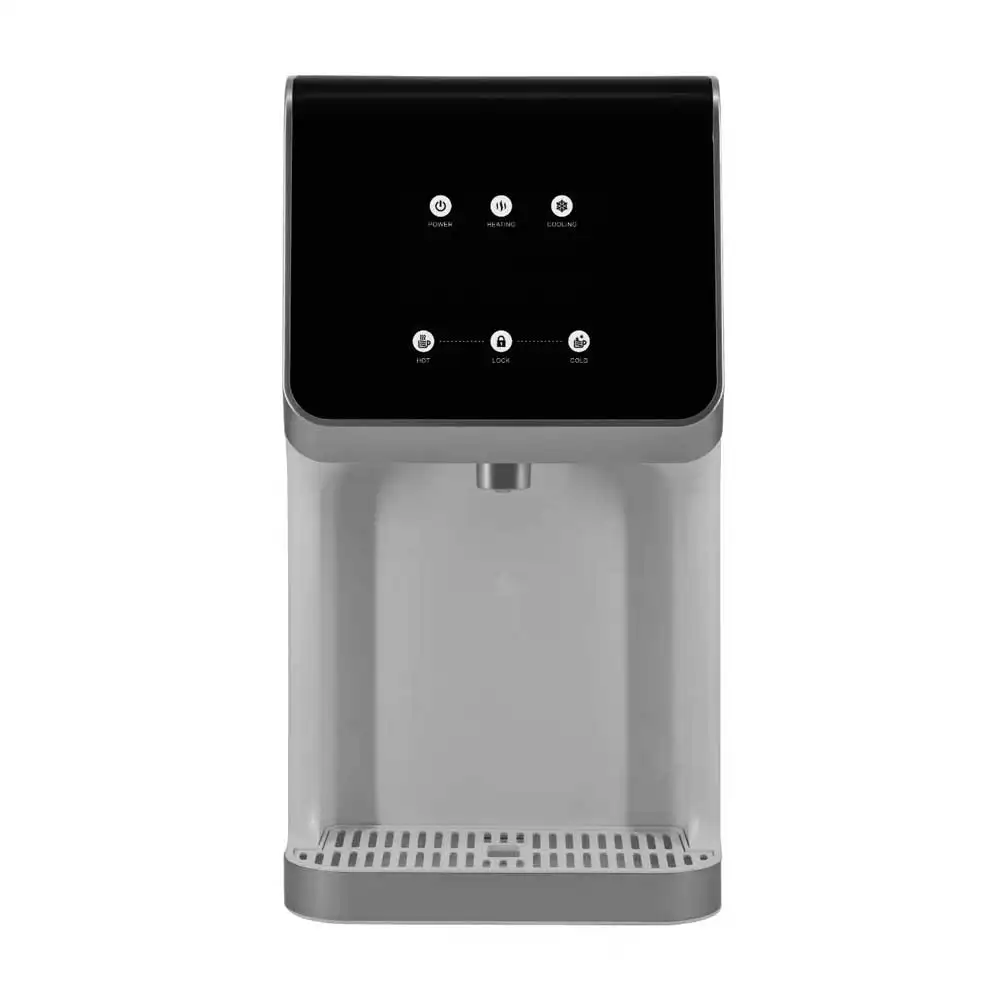
A countertop direct drinking water dispenser can combine a compact footprint with direct-piping water supply, filtration, and hot/cold functions. It may suit offices, kitchens, meeting rooms, hospitality settings, and premium residential channels. Key decisions include feed-water pressure, filtration technology, tank or tankless layout, installation space, dispensing capacity, and maintenance access. See the countertop water dispenser category for relevant product formats.
POU Water Dispenser
A point-of-use (POU) water dispenser connects to the building water supply and may incorporate RO, UF, sediment, carbon, or other treatment stages. The correct configuration depends on source-water quality and the intended performance claim. Buyers should define inlet conditions, target water quality, filter replacement interval, wastewater handling where applicable, and local installation requirements before requesting a quotation.
Hot and Cold Water Dispenser
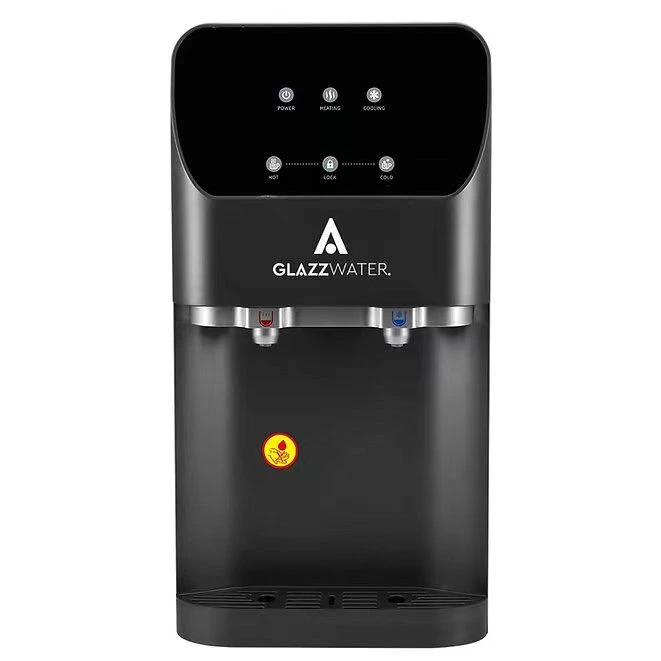
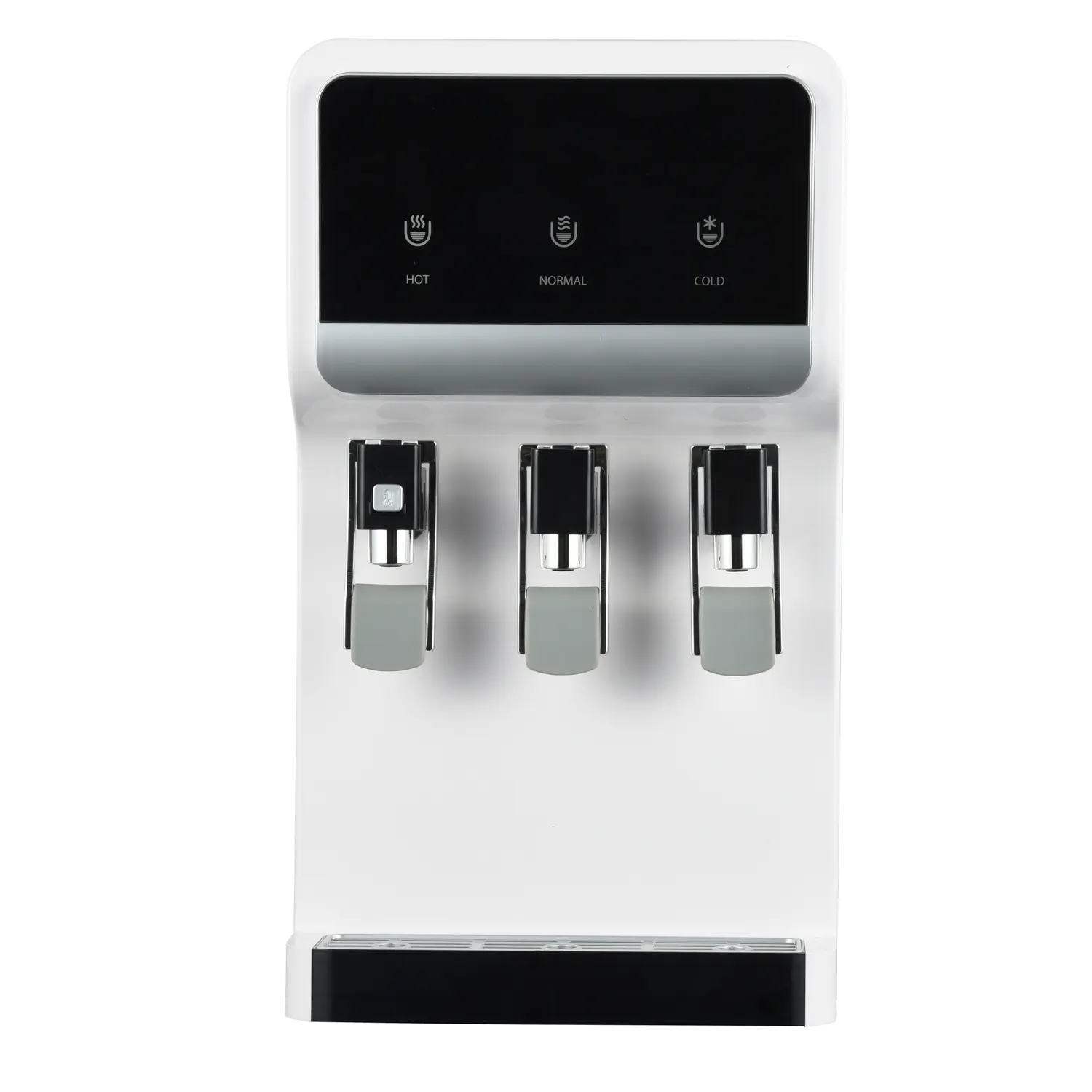
Hot and cold models are available in countertop and floor-standing formats, with bottled or direct-piping supply. Evaluate heating capacity, cooling method, child-safety requirements, tap design, tank materials, insulation, dry-heating protection, and service access. For a tailored configuration, review the company’s OEM and ODM water dispenser services with your specification sheet.
What to Check Before OEM Cooperation
Use the following checklist during supplier qualification and sample approval:
- Which factory will manufacture this exact model, and which processes are outsourced?
- What is the standard configuration, and which components or functions can be customized?
- What are the MOQ, sample lead time, tooling lead time, and mass-production lead time?
- Who owns any new molds, drawings, artwork, and customized technical files?
- Which product specification and approved sample will control mass production?
- What incoming, in-process, performance, safety, leakage, and packaging inspections are completed?
- Which critical components are used, and how are supplier or batch changes controlled?
- Which test reports or certificates apply to the exact model and destination market?
- Are the intended voltage, plug, labels, manual, packaging, and language versions included?
- What are the warranty terms, claim process, technical-response time, and spare-parts policy?
- How will pre-shipment inspection, loading, export documents, and shipment dates be coordinated?
- What happens if the pilot run or final inspection does not meet the agreed specification?
Common Buyer Questions About OEM Water Dispenser Manufacturers
How do I find a reliable OEM water dispenser manufacturer in China?
Start with a precise product requirement covering the application, water source, heating and cooling performance, filtration, voltage, target market, certification needs, order volume, and customization level. Shortlist suppliers that manufacture the relevant product category, then verify the production site, engineering team, quality-control process, export documentation, and after-sales system. Request evidence for the exact model rather than accepting general factory or certification claims. Before mass production, approve a sample, specification sheet, packaging details, inspection plan, lead time, spare-parts list, and change-control procedure. A reliable OEM water dispenser manufacturer should answer technical questions clearly, disclose outsourced processes, document agreed requirements, and explain how defects or engineering changes will be handled.
What is the typical MOQ for a private label water dispenser?
MOQ depends on the base model, customization level, component purchasing requirements, packaging, and whether new tooling is needed. Logo and carton changes normally require less development than a new cabinet, control panel, or hydraulic system. Ask the supplier to separate the MOQ for the standard product, private-label packaging, special colors, and structural customization.
How should I verify a water dispenser factory’s quality control?
Review the written inspection flow and compare it with what is performed on the production line. Check incoming-material inspection, assembly controls, leakage testing, electrical-safety checks, heating and cooling performance tests, appearance inspection, and packaging verification. Confirm the acceptance criteria, test records, sample size, defect handling, and traceability of critical components.
Can an OEM supplier customize a water dispenser for my market?
Yes, but the scope can range from branding and packaging to voltage, plugs, filtration, controls, cabinet design, and complete product development. Provide the target-market requirements early and ask the factory to classify each change as artwork, component configuration, tooling, or engineering work. Certification impact, MOQ, cost, lead time, and ownership of customized assets should be confirmed before development.
Which certifications are required for importing water dispensers?
Requirements vary by destination, electrical configuration, product function, and sales channel. Buyers should consult the relevant local authority or qualified compliance specialist. When reviewing supplier documents, verify the issuing body, applicable standards, model coverage, validity, and whether the tested configuration matches the product you plan to import.
How Haibo Supports Global OEM Partners
Haibo Water works as a factory-backed OEM and ODM water dispenser partner for importers, distributors, and private-label brands. Its support covers the main stages that overseas buyers need to coordinate before and after production:
- Factory capability: organized production and assembly for countertop and floor-standing water dispenser platforms.
- R&D support: technical coordination for product configuration, functions, filtration layouts, electrical requirements, and market-specific changes.
- Quality control: material, assembly, functional, appearance, and packaging checks managed through the quality management process.
- OEM customization: support for product appearance, logo, packaging, manuals, voltage, plug, filtration, and functional configurations.
- Export experience: coordination of packaging, product documentation, shipment preparation, and destination-market requirements.
Buyers can review Haibo’s water dispenser product range, countertop models, floor-standing models, and available certification information before submitting a project brief.
Plan Your OEM Water Dispenser Project With Haibo
A dependable OEM relationship begins with clear requirements and verifiable responsibilities. Evaluate the supplier’s manufacturing control, customization process, quality system, engineering support, compliance documentation, and after-sales capability as one connected system—not as separate sales claims.
Haibo Water supports importers, distributors, private-label brands, and commercial-project buyers with OEM and ODM water dispenser solutions. Share your target market, application, required functions, expected order quantity, and branding needs through our contact page. Our team can review the requirement and recommend a suitable product and development route.