中文
中文
The Ultimate Guide to Countertop Water Dispensers: Features, Costs, and Buying Tips
💧 Introduction: Redefining Hydration in the Modern Home
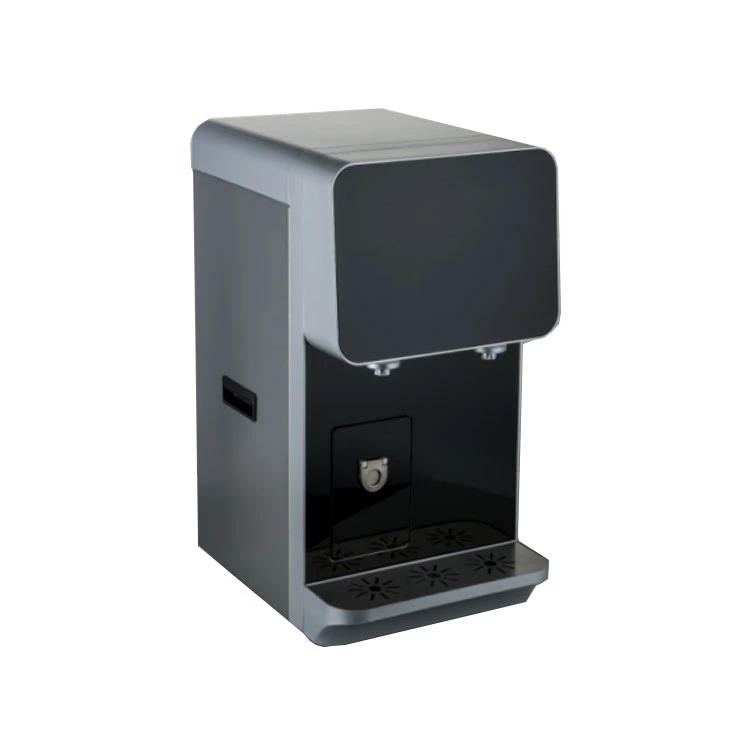
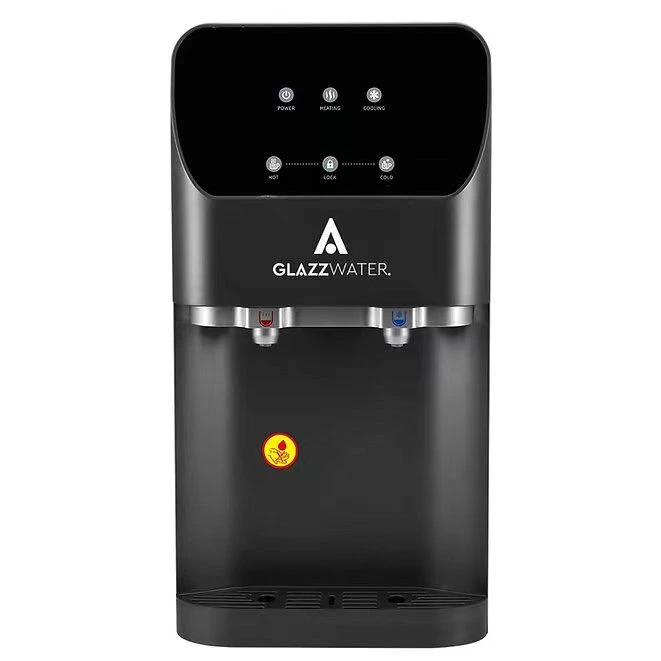
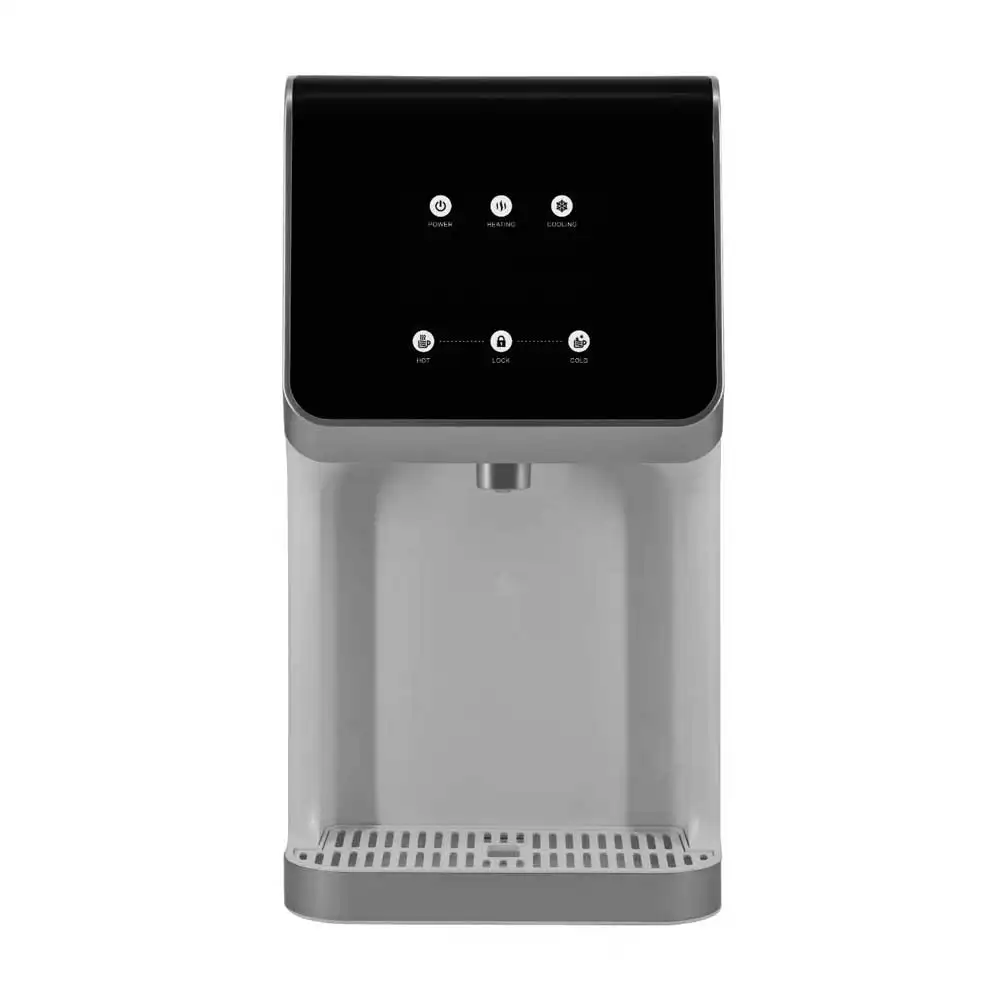
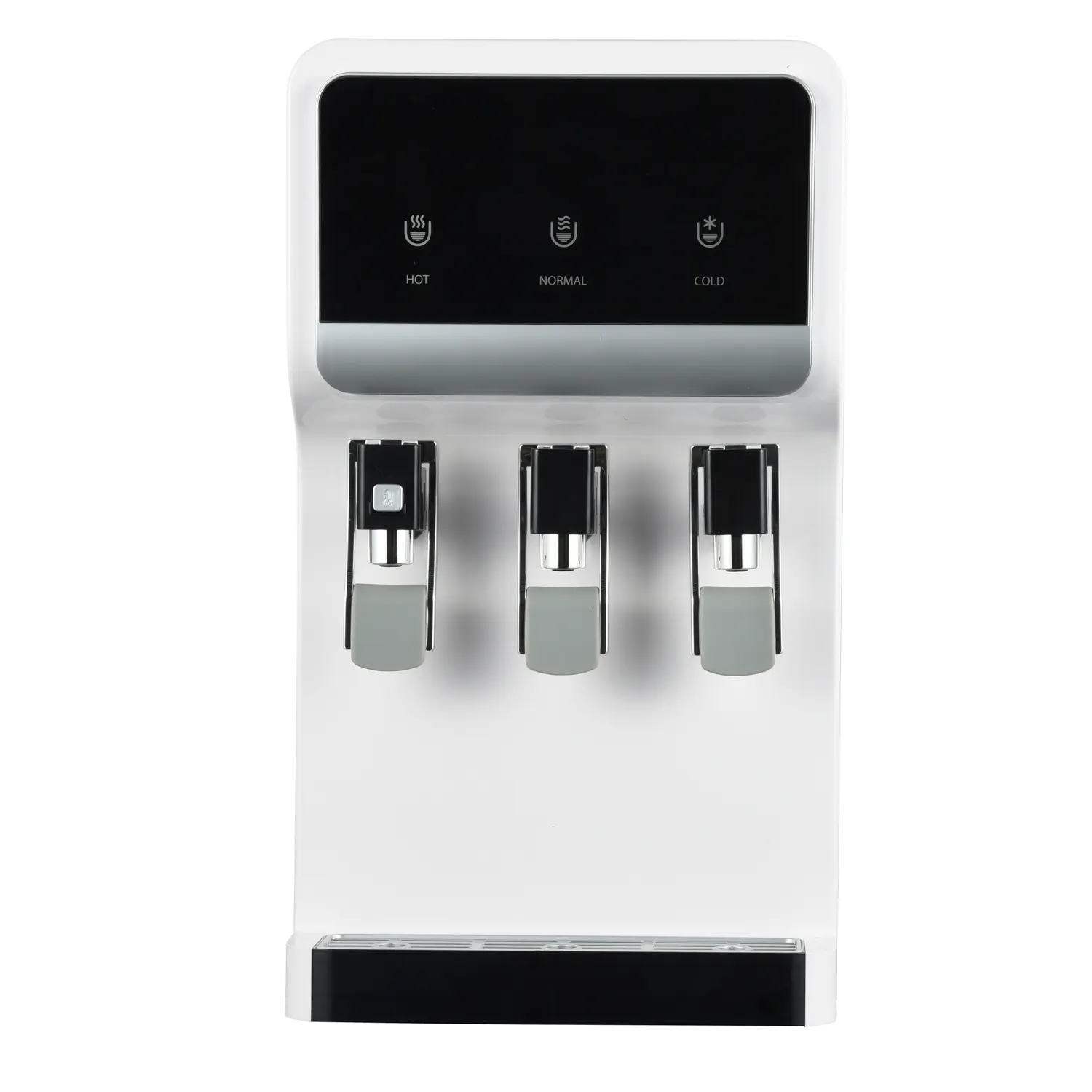
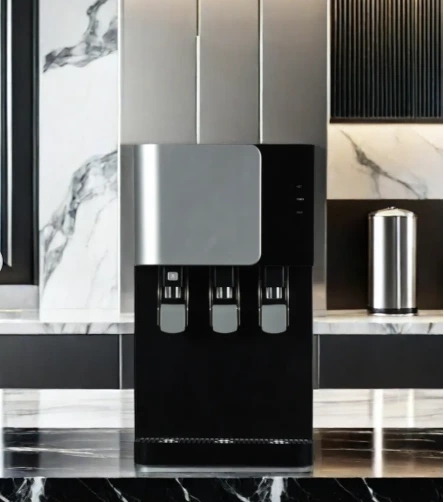
The countertop water dispenser has rapidly evolved from a niche appliance into an essential piece of equipment for modern homes, small offices, and wellness spaces. Moving beyond the bulky, floor-standing coolers that dominated the past, today’s models offer a blend of space efficiency, instant multi-temperature access, and advanced filtration technology. They embody a commitment to convenience, health, and environmental sustainability, effectively merging the functionality of a kettle, a chiller, and a sophisticated water filter into one compact unit.
This comprehensive 3000-word guide serves as the definitive resource for understanding, evaluating, and purchasing the perfect countertop water dispenser. We will meticulously break down the core features, analyze the true cost of ownership, and provide actionable buying tips to ensure your investment meets your specific hydration needs.
I. Core Technology and Classification: What Powers These Dispensers?
Countertop water dispensers are broadly categorized by their water sourcing method, which fundamentally dictates their performance, installation requirements, and long-term operating costs.
A. Type 1: Bottled Countertop Dispensers (The Mini-Cooler)
These are the smaller counterparts of the traditional floor coolers.
-
Mechanism: They rely on the user manually loading pre-filled jugs (typically 3 or 5 gallons) onto the top or into the bottom cabinet. An internal pump feeds the water to the heating and cooling reservoirs.
-
Pros: Plug-and-Play Simplicity—no plumbing required; portable and easy to relocate; users can select their preferred bottled water brand.
-
Cons: Recurring manual labor (lifting heavy jugs); constant cost of purchasing water; storage space needed for full and empty bottles; potential for secondary contamination at the bottle-to-machine interface.
B. Type 2: Bottleless or Point-of-Use (POU) Dispensers (The Filtration Hub)
POU dispensers represent the frontier of modern water management, connecting directly to the main cold water line.
-
Mechanism: The machine taps into the existing plumbing (often under the sink), continuously drawing water for filtration and temperature treatment.
-
Pros: Unlimited Water Supply; highly economical in the long run; superior hygiene due to integrated filtration; environmentally responsible (eliminates plastic jugs).
-
Cons: Requires initial professional plumbing installation; maintenance involves periodic filter changes.
C. Filtration Systems: The Key to Water Quality
The efficacy of a POU dispenser rests entirely on its filtration stack:
-
Activated Carbon Filters: The foundation of all good filtration. These remove large particles, sediments, chlorine, volatile organic compounds (VOCs), and taste/odor impurities, vastly improving the water’s palatability.
-
Reverse Osmosis (RO): The gold standard for water purity. RO membranes utilize hydrostatic pressure to force water through an ultra-fine semi-permeable layer, removing up to 99% of dissolved solids (TDS), heavy metals (like lead and arsenic), fluoride, pesticides, and pharmaceuticals.
-
UV-C Sterilization: A crucial final step. An ultraviolet light (UV-C) is positioned either in the water reservoir or at the point of dispense to neutralize or inhibit the growth of bacteria, viruses, and other pathogens without the use of chemicals. This is particularly vital in mitigating the risk of bacterial buildup (biofilm) in the internal tanks.

II. Essential Features: What Defines a Premium Dispenser?
The best countertop dispensers offer more than just hot and cold options; they integrate specialized features that enhance convenience, safety, and health.
1. Temperature Precision and Customization
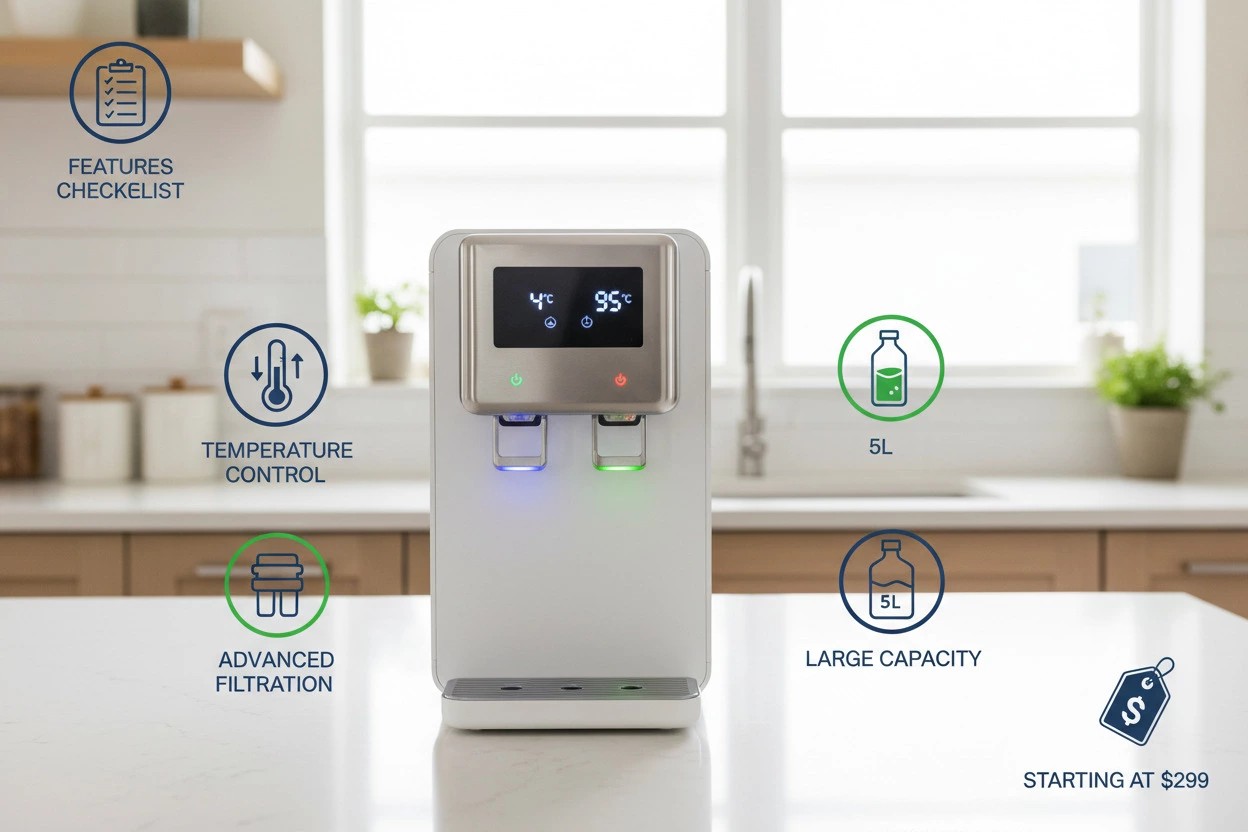
Standard models offer only three settings: Hot, Cold, and Ambient. High-end units provide granular control:
-
Exact Temperature Presets: Dedicated buttons for specific common uses, such as:
-
Baby Formula Mode ($\approx 104^\circ F / 40^\circ C$): Lukewarm, perfect for infants.
-
Green Tea Mode ($\approx 175^\circ F / 80^\circ C$): Hot enough to steep, but not scorch delicate leaves.
-
Boiling Mode ($\approx 200^\circ F / 93^\circ C$): Ideal for black tea, instant coffee, or cooking.
-
-
Instant Heat Technology: Some premium models use thermoelectric cooling or instantaneous heating elements that heat water on-demand, eliminating the need for a standing, constantly heated reservoir, which saves energy.
2. Hygiene and Self-Cleaning Mechanisms
Due to water storage, hygiene must be a primary concern.
-
Ozone/UV-C Self-Cleaning Cycles: The most desirable feature. These automated cycles periodically sterilize the internal tanks using ozone gas or UV-C light, preventing the growth of biofilm and ensuring consistent water quality without manual scrubbing.
-
Stainless Steel Tanks: Always prefer models with food-grade stainless steel reservoirs over plastic, as they are non-porous and significantly easier to keep sanitized.
3. Safety and Usability Features
-
Child Safety Lock: A mandatory feature for the hot water faucet. This typically requires simultaneous pressing of two buttons or a specific unlock sequence to dispense hot water, preventing accidental burns.
-
Dispensing Volume Control: Allows users to program the dispenser to pour a specific amount (e.g., 8 oz, 16 oz, 32 oz) and stop automatically, making it easy to fill standard cups or water bottles without monitoring.
-
Filter Change Indicator: An integrated LED or digital display that alerts the user when the internal filters are nearing the end of their lifespan, ensuring timely replacement and maintaining water quality.
4. Design, Aesthetics, and Flow Rate
-
Footprint and Height: Crucial for counter placement. Measure your available space and, importantly, ensure there is sufficient clearance above the spout to accommodate your tallest water bottles.
-
Aesthetics: High-end models often feature stainless steel finishes or sleek, minimalist designs that blend seamlessly with modern kitchen decor.
-
Flow Rate (GPM): In high-usage areas, faster flow rates (Gallons Per Minute) prevent long queues. Note that RO systems naturally have slower flow rates due to the membrane process.

III. The True Cost of Ownership (TCO) Analysis
When purchasing a water dispenser, the sticker price is just the initial investment. Understanding the Total Cost of Ownership (TCO) over a three-to-five-year period is essential for making an informed economic choice.
A. Bottled System TCO
| Cost Component | Description | Frequency | Estimated Annual Cost |
| Initial Unit Cost | Low to Mid-Range Purchase Price | One-time | $\$150 - \$300$ |
| Water Cost | Purchasing pre-filled 5-gallon jugs | Weekly/Monthly | $\$200 - \$500$ (Depends on usage) |
| Sanitization | Professional cleaning recommended | Bi-Annually | $\$50 - \$100$ |
| 3-Year TCO Estimate: | $\$750 - \$1,500$ |
-
Conclusion: Bottled systems have low upfront costs but significantly higher recurring expenses, making them uneconomical for heavy long-term use.
B. Bottleless (POU) System TCO
| Cost Component | Description | Frequency | Estimated Annual Cost |
| Initial Unit Cost | Mid to High-Range Purchase Price | One-time | $350 - $800 |
| Installation | Plumbing and setup by a professional | One-time | $75 - $150 |
| Filter Replacement | Carbon/Sediment (6-12 months); RO (2-3 years) | Recurring | $60 - $150 |
| Energy Consumption | Cost of heating/cooling water | Continuous | $30 - $60 |
| 3-Year TCO Estimate: | $600 - $1,300 |
-
Conclusion: POU systems have higher upfront costs but much lower recurring costs. They become significantly more economical than bottled systems after the first 12–18 months of operation, especially for high-volume users.
C. Energy Efficiency Considerations
Look for the Energy Star certification, which guarantees the dispenser meets stringent energy efficiency guidelines. Many models include programmable timers or light sensors that automatically shut off the heating element overnight or when the room is dark, drastically reducing the standby energy used to maintain tank temperatures.

IV. Comprehensive Buying Tips: Making the Right Choice
Follow these actionable steps to navigate the market and select the ideal water dispenser for your environment.
Tip 1: Assess Your Source Water Quality
-
Test Your Tap Water: If you are choosing a POU system, obtain a basic water quality report from your municipality or use a home testing kit.
-
High TDS/Hard Water? If your water has high Total Dissolved Solids, hardness, or known contaminants like lead, an RO system is non-negotiable. Carbon-only filters will not suffice.
-
Good Municipal Water? If your tap water is generally clean and safe, a high-quality Carbon + UV-C system will provide excellent taste, faster flow, and better energy efficiency than an RO unit.
Tip 2: Determine Your Usage Volume
-
Low Usage (1–2 People): A smaller bottled unit might be acceptable if you prioritize portability, though POU is still recommended for hygiene.
-
Medium/High Usage (Family/Office): POU is mandatory. Focus on models with large reservoir capacities (especially for cold water) and fast flow rates to handle peak demand.
Tip 3: Prioritize Hygiene Features Over Price
Never skimp on hygiene. A dispenser that lacks a robust sanitization feature (like UV-C or ozone) can become a health liability over time as bacteria proliferate in the reservoirs. A UV-C self-cleaning system should be viewed as an essential feature, not a luxury.
Tip 4: Check Filter Availability and Cost
Before committing to a brand, research the cost and availability of their proprietary filters. Some brands lock users into expensive, difficult-to-find replacement cartridges. Opt for brands with widely available filters or reasonably priced filter subscription programs.
Tip 5: Verify Dispenser Height and Clearance
Bring the bottle or cup you use most often when shopping. Ensure the dispensing area has ample height to easily accommodate tall sports bottles, which are often overlooked in size specifications. A recessed dispensing area helps catch drips and minor spills.
Tip 6: Review Installation and Warranty
-
POU Installation: Confirm whether the installation process requires drilling into stone countertops or complex plumbing adjustments. Some retailers include a basic installation package with the purchase.
-
Warranty: Look for a minimum one-year warranty covering parts and labor. The warranty should specifically cover the heating and cooling elements, which are the most common points of failure.
Conclusion: The Countertop Dispenser as a Wellness Investment
The countertop water dispenser is more than just a convenient appliance; it is a strategic investment in the health, efficiency, and sustainability of your household or workplace. By providing instant access to perfectly tailored water—from soothing hot tea to perfectly chilled, filtered refreshment—it encourages better hydration habits and drastically reduces reliance on wasteful single-use plastics.
By utilizing this ultimate guide, you are now equipped with the knowledge to dissect marketing claims, analyze the true cost, and prioritize the features that matter most. Whether you opt for the simplicity of a bottled model or the advanced purity of a POU system, choosing the right dispenser means choosing a higher standard of living and a cleaner, more organized space. The future of hydration is compact, intelligent, and sitting right on your counter.