中文
中文
How to Choose a Countertop Water Dispenser for Your Market
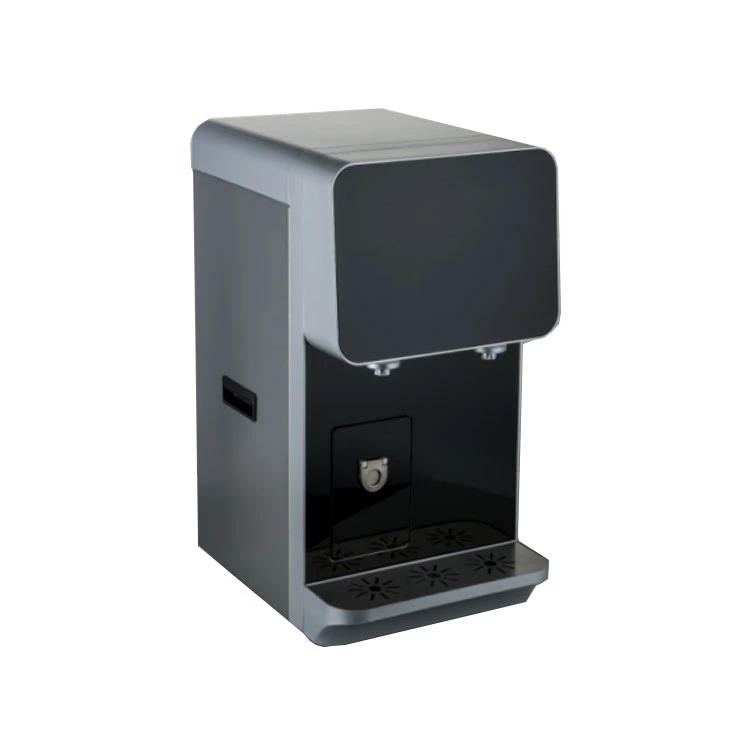
Choosing a countertop water dispenser for distribution or a private-label project requires more than comparing appearance and unit price. The correct product should match the destination market, source-water conditions, installation environment, electrical requirements and expected after-sales support.
For importers and distributors, defining these requirements before requesting samples can reduce unnecessary product changes later in the project.
1. Define the Target Application
Start by identifying where the product will be used.
Countertop water dispensers can be supplied for office pantries, hospitality areas, small commercial spaces and residential distribution markets.
A product intended for an office project may have different capacity and maintenance requirements from a model sold through appliance retail channels.
The application should therefore be defined before selecting the final configuration.
2. Select the Appropriate Filtration System
Different countertop platforms can use different filtration configurations.
RO systems use reverse-osmosis membranes and normally require a reject-water connection. They are suitable when the project specifically requires RO purification.
UF systems operate without the RO reject-water stream and may be selected for different source-water conditions and maintenance requirements.
Neither configuration should be treated as universally better. Selection should be based on local water conditions, buyer requirements and the intended market.
3. Confirm the Required Water Temperatures
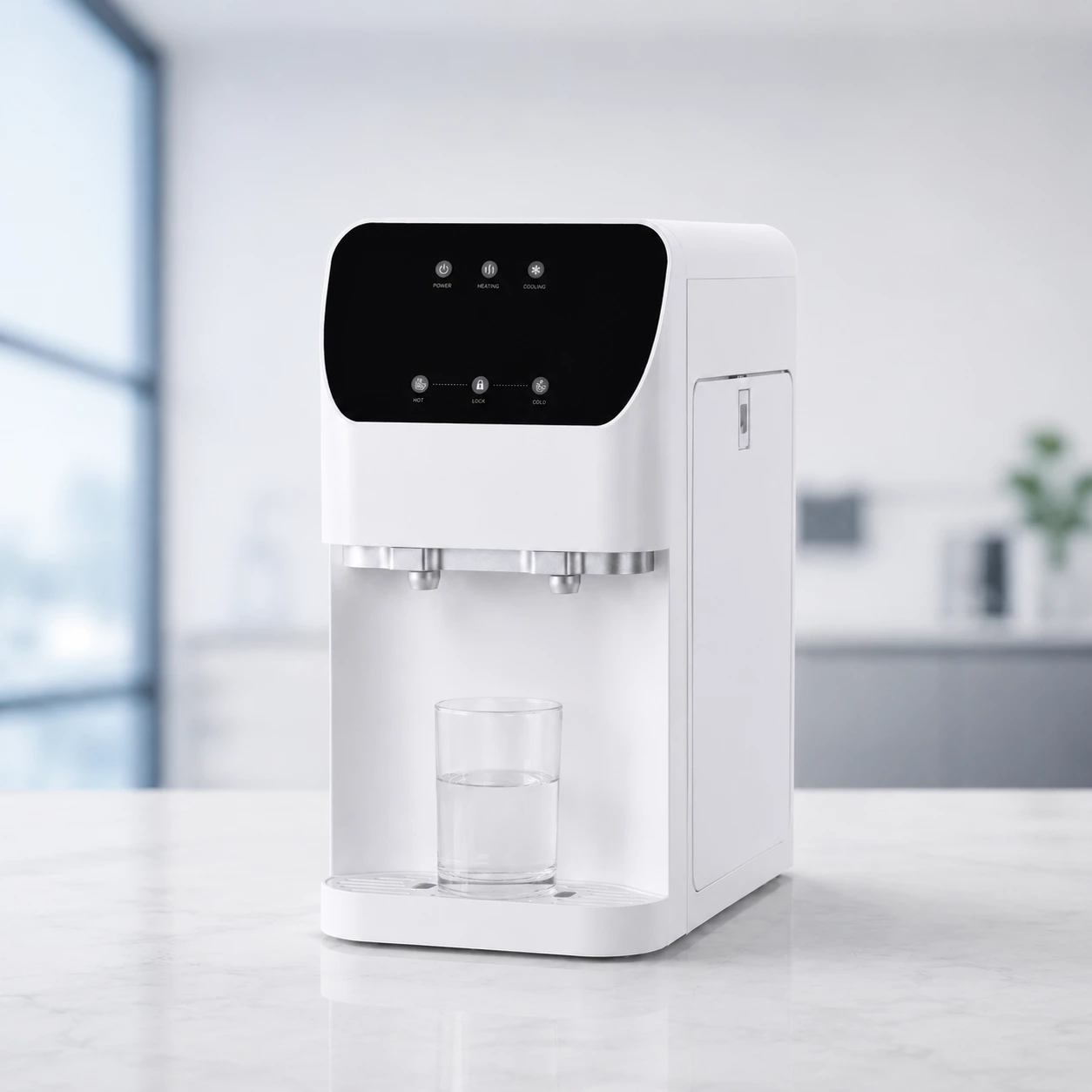
Countertop dispensers are available with different dispensing layouts.
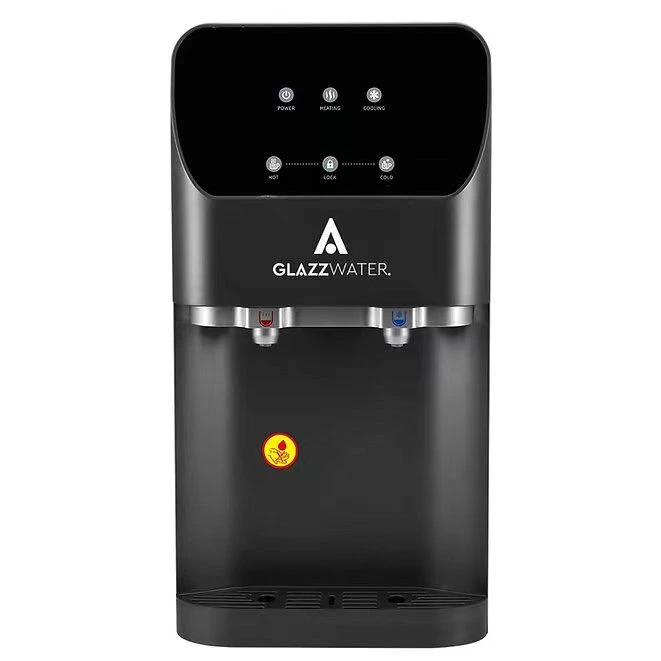
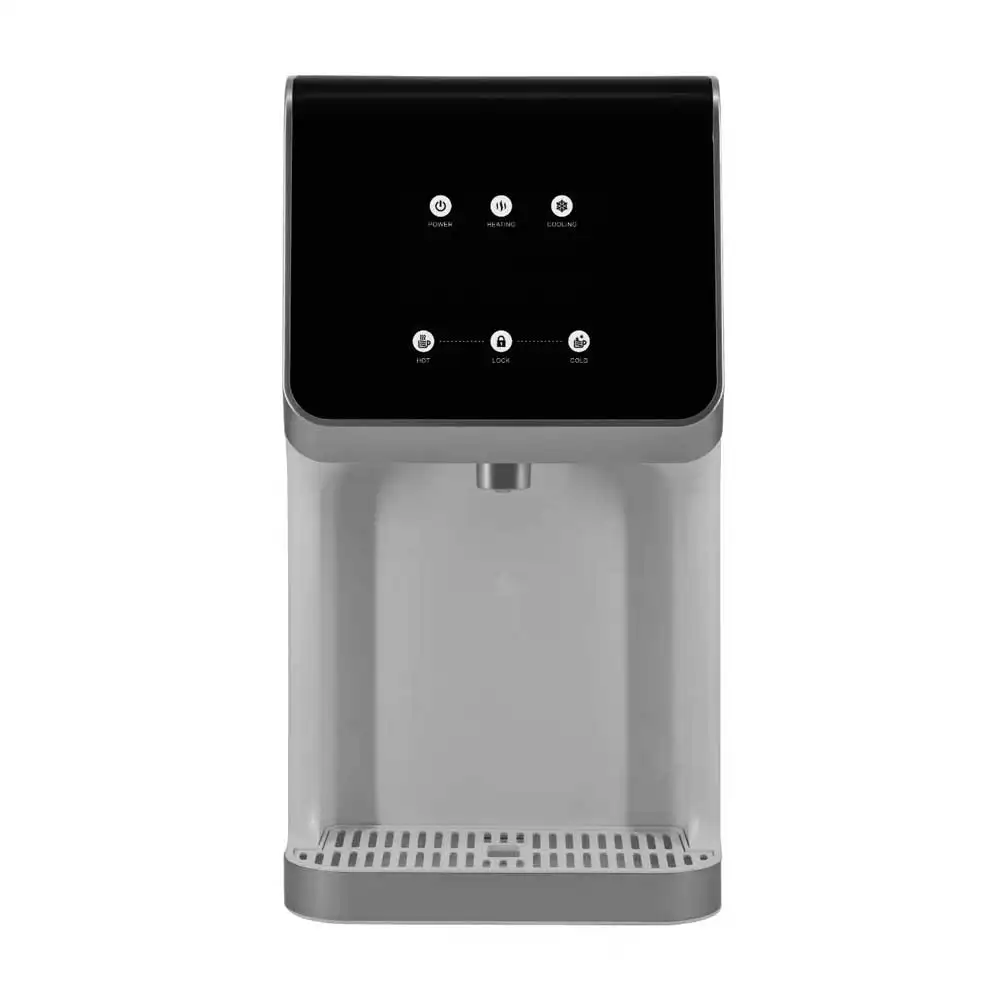
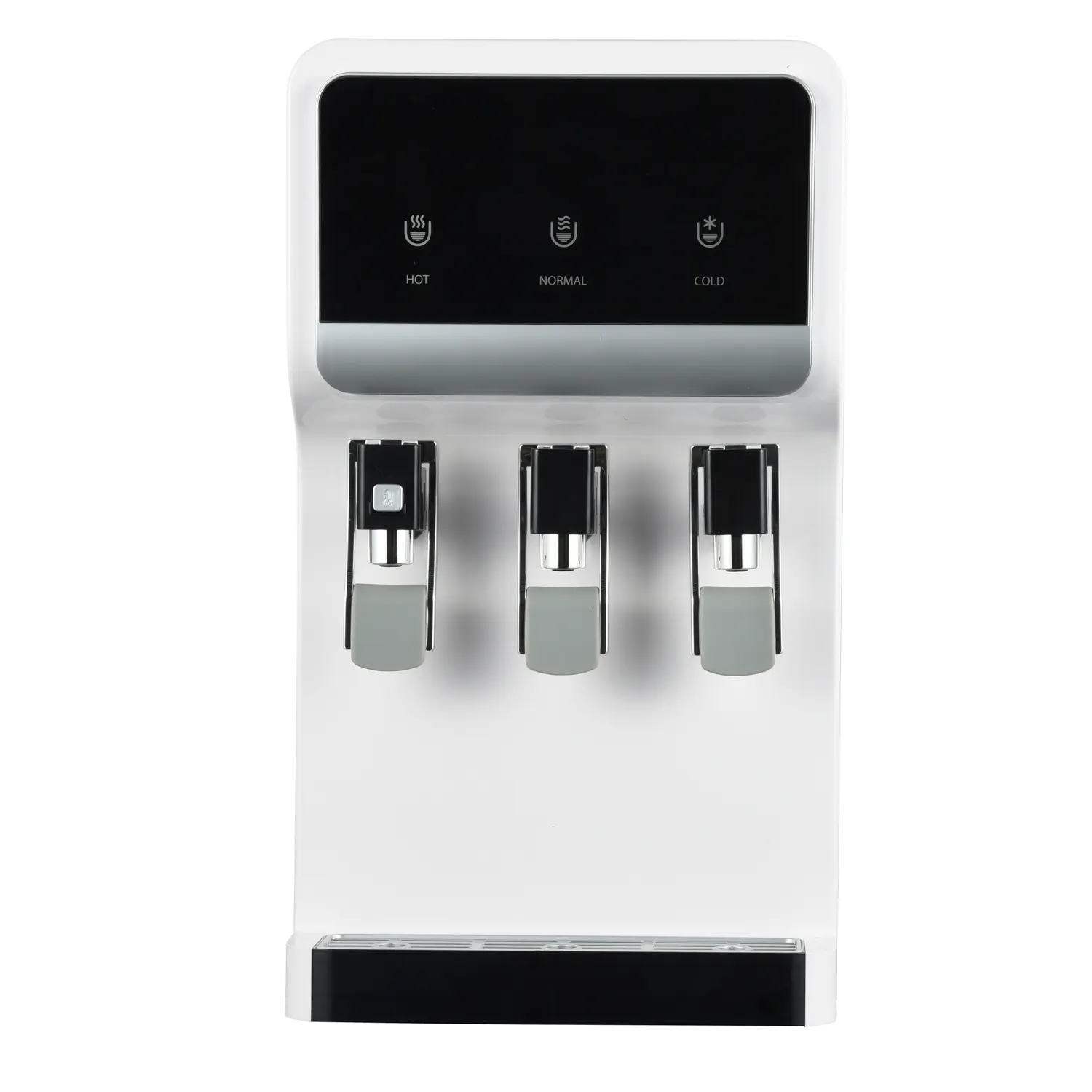
Depending on the model, configurations may include hot and cold water or hot, cold and room-temperature water.
Buyers should confirm the required dispensing functions before sampling because faucet layout, control interface and internal configuration can vary between models.
4. Review Installation Requirements
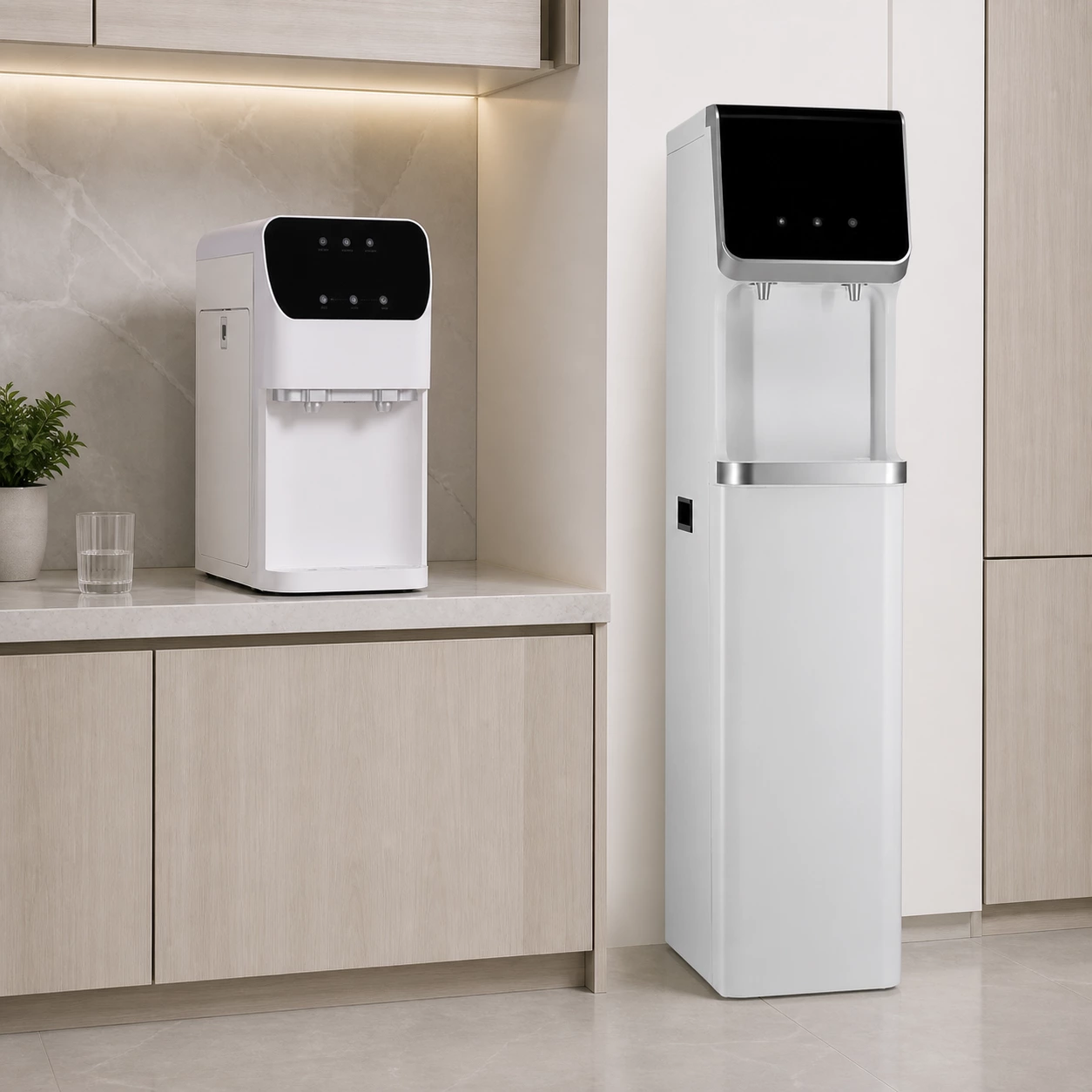
A countertop model must fit the available installation space while allowing access for water connections, ventilation and maintenance.
For direct-water models, buyers should also consider the location of the inlet-water connection and, for RO systems, the wastewater connection.
Installation requirements should be reviewed before approving the final product.
5. Check Electrical Requirements
Voltage, frequency and plug standards differ between markets.
Before quotation or sampling, provide the destination country and required electrical specification so that the selected product can be evaluated for the market.
6. Consider Maintenance and Spare Parts
For distributors, long-term product support is an important part of supplier evaluation.
Ask how filters, pumps, heating components and other service parts are identified and supplied.
A product that can be supported with clear spare-parts communication is easier to manage after launch.
7. Define OEM Requirements Early
Private-label buyers should identify branding requirements before sampling.
Depending on the product and project, OEM options may include:
- Logo
- Product labels
- Color and surface finish
- Control-panel language or icons
- Voltage and plug
- Filtration configuration
- Manuals
- Nameplates
- Packaging
Confirming these requirements early reduces repeated sample revisions.
8. Check Certification Requirements
Certification availability depends on the product model, configuration and destination market.
Buyers should identify required certifications before finalizing a product because component or configuration changes may affect certification scope.
9. Evaluate the Manufacturer Beyond Price
Unit price is only one part of an OEM project.
Importers should also evaluate:
- Requirement communication
- Sample confirmation
- Product consistency
- Quality inspection
- Packaging execution
- Spare-parts support
- After-sales communication
These factors affect the long-term cost and stability of a distribution program.
Conclusion
The best countertop water dispenser for a B2B project is not simply the model with the most functions. It is the model whose filtration, dispensing functions, electrical specification, installation requirements and OEM options fit the target market.
Before requesting a quotation, prepare your destination market, required functions, filtration preference and estimated quantity. This gives the manufacturer enough information to recommend a more suitable starting model.